



A Homecoming Decades in the Making
After making history as the first dance company to include Verdon Fosse choreography in their repertoire, the artists of Hubbard Street Dance Chicago and stager Linda Haberman reflect on this momentous collaboration.
The 2024 Hubbard Street Dance Chicago Fall Series marked a major milestone in both the history of the company and dance history—the beginning of Hubbard Street Dance Chicago’s relationship with The Verdon Fosse® Legacy, making the company the first and only dance company in the world to add Bob Fosse and Gwen Verdon’s work to their repertoire.
Though this 2024 debut marked the beginning of this official collaboration, the relationship between Hubbard Street with its Chicago home and the legacy of Bob Fosse and Gwen Verdon goes back to the formation of the company, and even earlier: a decades-long symbiotic relationship of artistic inspiration.
“Bob Fosse’s work has always been valued and recognized by Hubbard Street,” Artistic Director Linda-Denise Fisher-Harrell said. Hubbard Street founder Lou Conte first met the legendary choreographer in the chorus of the original production of How to Succeed in Business Without Really Trying, which Fosse helped stage in 1961. As Conte went on to found the Lou Conte Dance Studio, and, subsequently Hubbard Street, he remained close with Bob Fosse and Gwen Verdon, citing the two as inspirations for his work. In 1990, the relationship between Hubbard Street and the Verdon Fosse legacy actualized when Gwen Verdon reconstructed “Percussion IV” from her late ex-husband’s Broadway musical Dancin’ with the Hubbard Street dancers. “Gwen Verdon adored the Hubbard Street dancers for their diversity and abilities to authentically embody a wide variety of styles,” said Nicole Fosse, daughter of Fosse and Verdon and founder/artistic director of The Verdon Fosse® Legacy. “The company’s limitless abilities, under Artistic Direction of Linda-Denise Fisher-Harrell, continue to stand out today.”
In its engagement at The Joyce this season, Hubbard Street Dance Chicago celebrates the homecoming collaboration with The Verdon Fosse® Legacy, featuring both “Percussion IV” and “Sweet Gwen Suite" with the help of longtime Verdon/Fosse collaborator and The Verdon Fosse® Legacy Artistic Director of Concert Development Linda Haberman.
In this interview, Linda-Denise Fisher-Harrell, Linda Haberman, and the dancers of Hubbard Street Dance Chicago reflect on this momentous collaboration.
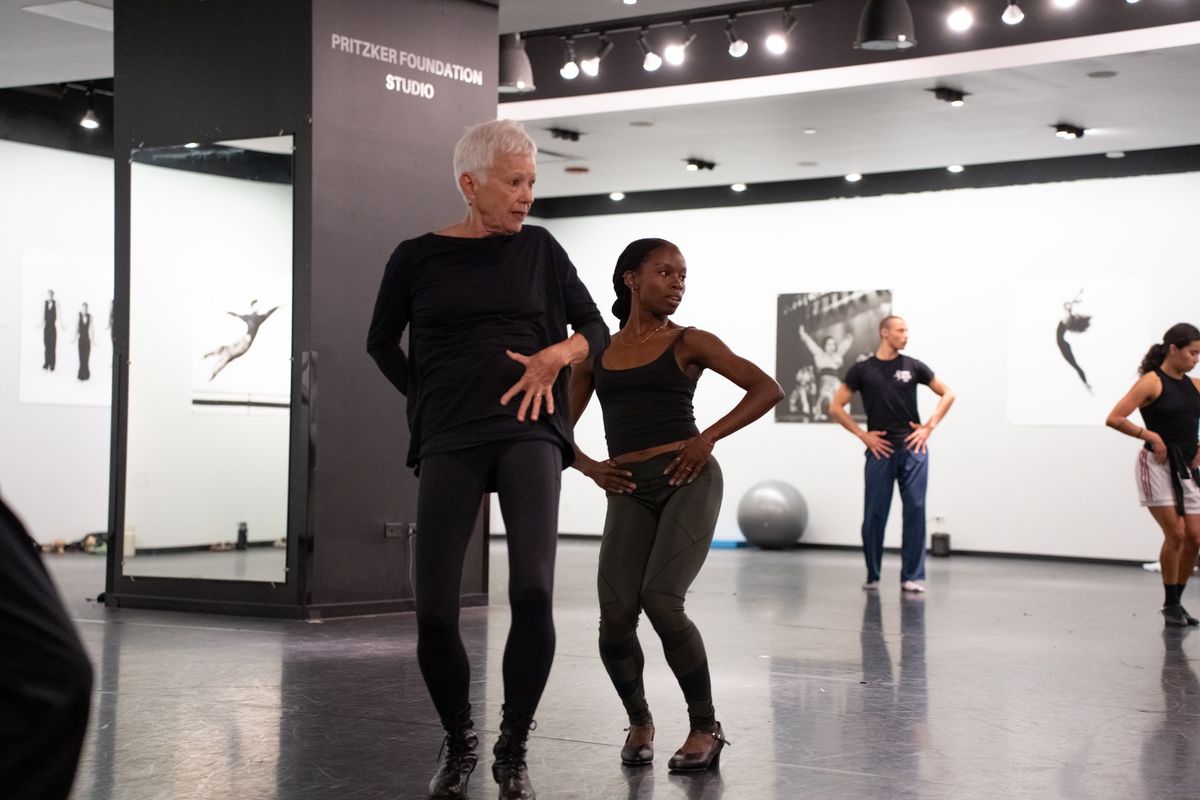
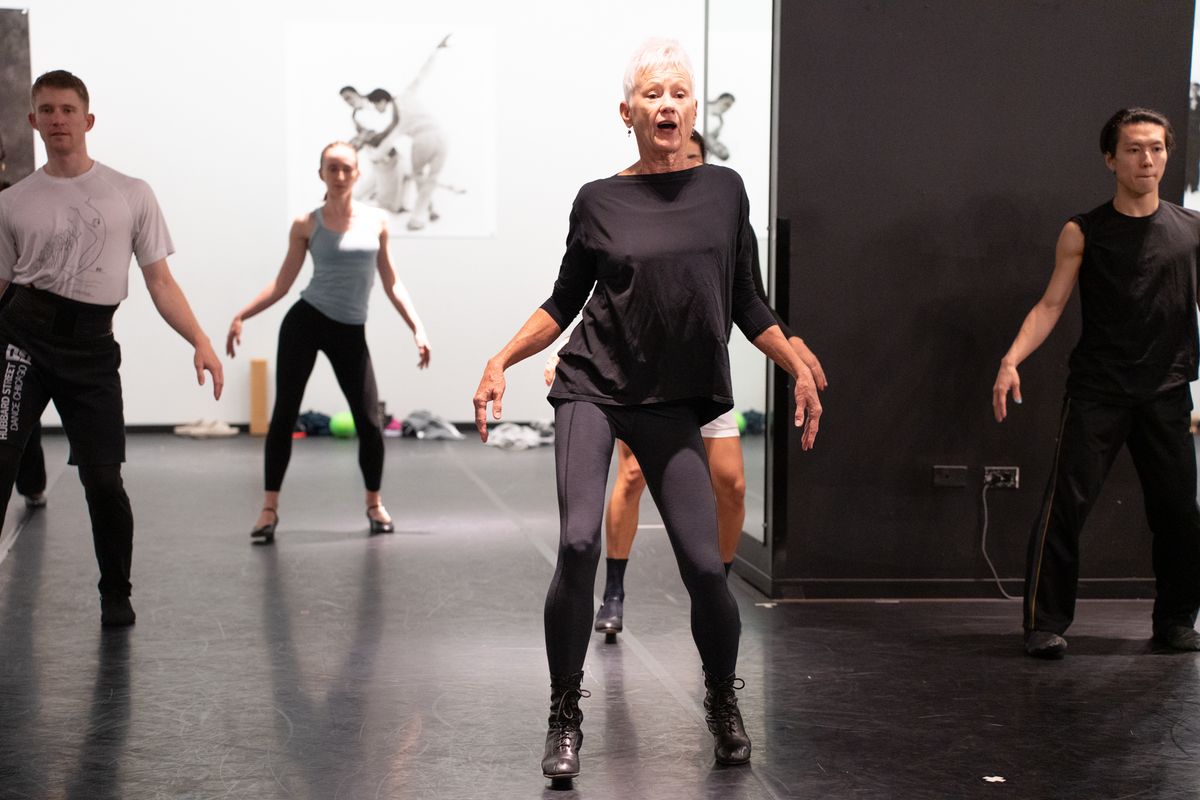
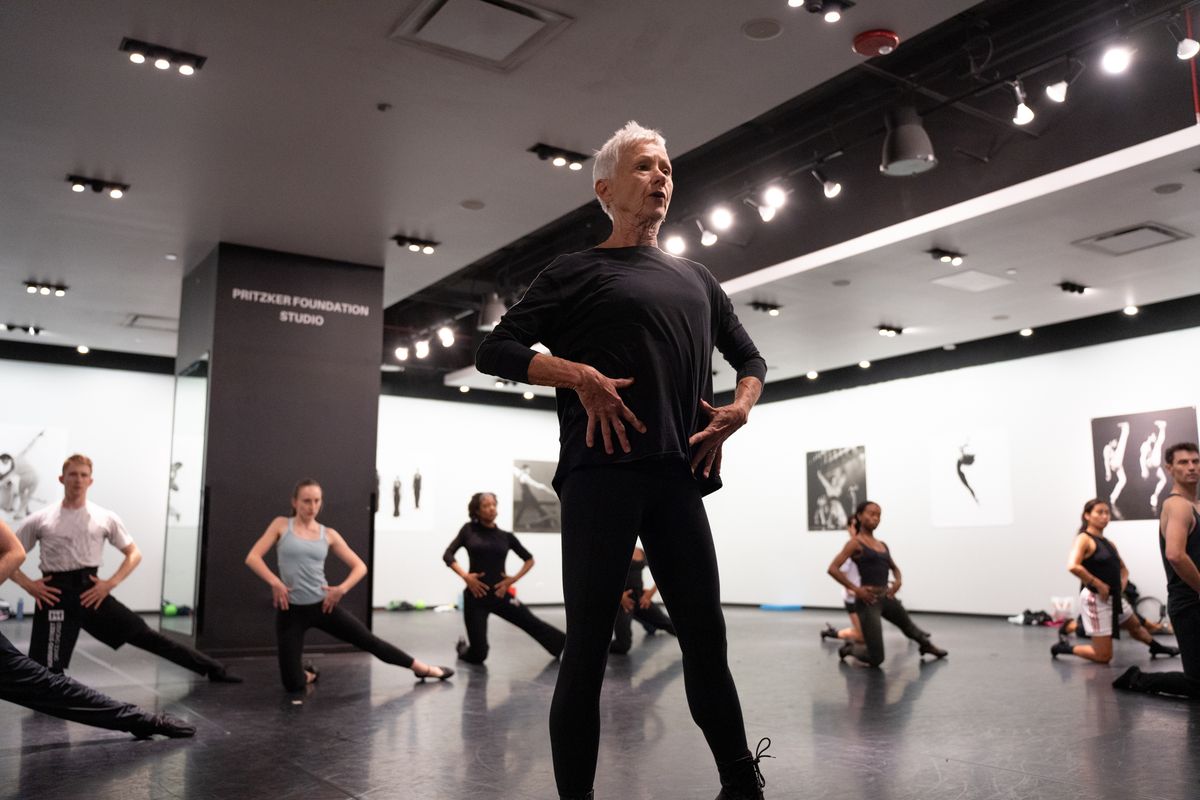
In conversation with Artistic Director of Concert Development of The Verdon Fosse® Legacy Linda Haberman
How does a work traditionally for theater translate in a concert dance/mixed bill format? Has your staging of "Percussion IV" and "Sweet Gwen Suite" evolved since you first recreated them? If so, how? If not, tell us about why you’ve maintained similar processes.
How a work is translated from a theatre context to concert dance really depends on the piece. "Percussion IV" works wonderfully in a concert dance setting because it was created for the musical Dancin’, which was essentially a dance concert on Broadway. The pieces making up "Sweet Gwen Suite" were originally choreographed for television, so I had to adapt them for the stage and reimagine them specifically for a concert setting. Sometimes dances that were initially used to bridge strong storyline are a bit more challenging, but in general, I think dance is dance!
The staging of both pieces has evolved somewhat because of the individual performers that I set them on. Fosse always worked with the dancers in front of him, and I try to do the same. I quickly discovered that the Hubbard Street Dancers are fearless - and not afraid to dive deep in terms of physicality and emotional investment - so it was an exciting and inspiring process. Even though the original choreography and intention mostly remained the same, the resulting performances are quite different.
What would fans of Chicago, or, maybe Damn Yankees, be surprised by when seeing "Percussion IV" and "Sweet Gwen Suite"?
I think they might be surprised by the diverse styles and techniques that Fosse and Verdon used in their choreography. "Percussion IV" is extremely demanding in terms of ballet technique, but also incorporates classic jazz and contemporary movement. "Sweet Gwen Suite" uses not only ballet and jazz technique, but hints of flamenco and funk, along with Fosse’s indescribable quirkiness.
Why do you think the Fosse/Verdon choreography and style has had such a lasting impact? What excites audiences about the movement now?
I think there are a few reasons: their choreography is about more than just steps—it is filled with intention, storytelling and musicality. It is infused with intelligence, wit, and humor - not to mention clarity of movement. I think audiences instinctively recognize how different it is—it can be super high-powered or very still and serene, but is always nuanced and never overdone. And it tells a story.
In conversation with Hubbard Street Dance Chicago Artistic Director Linda-Denise Fisher-Harrell.
This is a big full-circle moment for the company! Tell us more about ushering in this historic era in Hubbard Street’s history. What is it like?
It truly feels like a full-circle moment. What has been most refreshing for me is reconnecting the company to its jazz roots. From the very beginning, Hubbard Street has had a deep relationship with jazz, with rhythm, musicality, and theatricality. Now, more than 35 years later, to bring [Percussion IV] back and to reconnect the company to that legacy of excellence, precision, and artistry feels incredibly meaningful and iconic. It’s not just about revisiting the past; it’s about honoring where we come from while continuing to evolve forward.
How does watching the recreation of this work (P4) differ now from when you sat in on rehearsal in the early ‘90s?
There are a few things that feel both familiar and newly exciting. One of the most meaningful shifts has been watching Linda Haberman make space for female-bodied dancers in this work. When Gwen Verdon staged it in the early ’90s, she generously allowed me to be in the room to learn it... and I loved it, but at that time, it wasn’t something I would ever be cast in. Historically, it was performed by male-bodied dancers. So to now see that door opened is powerful. At the same time, so much of the essence of the work feels exactly the same. There is a very specific tension and precision required and a kind of competitive spirit that lives inside the choreography. It’s not just about the dancers competing with each other in the rehearsal space, but about each artist (it's performed as a solo) pushing themselves to meet the demands of the work. You see that in the room, dancers encourage one another, while also learning from each other’s execution. That dynamic, that drive, feels timeless and very much intentional in the choreography.
How do you think Fosse/Verdon’s choreography connects to contemporary Hubbard Street and Joyce Theater audiences?
For me, it reveals the roots of Hubbard Street. Fosse/Verdon’s work connects us back to jazz...to rhythm, virtuosity, musical precision, and a very distinctly high performance quality. It’s one vein of our repertory, but an essential one. It reminds us, and our audiences, of the foundation from which so much contemporary dance has grown. For longtime audiences, especially those who connected with the company in its earlier decades, it feels like coming home. And for newer audiences, it offers a different lens on what these dancers can do. Expanding the understanding of their range and the many ways contemporary dance can live in the body.
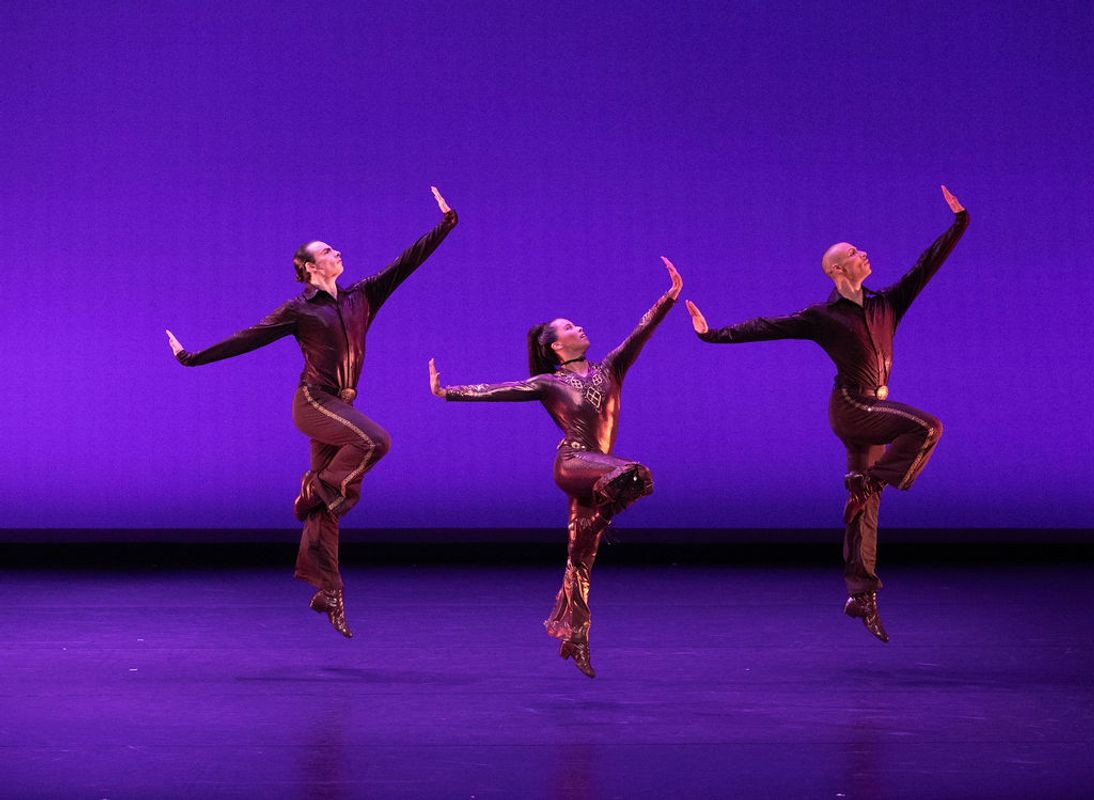
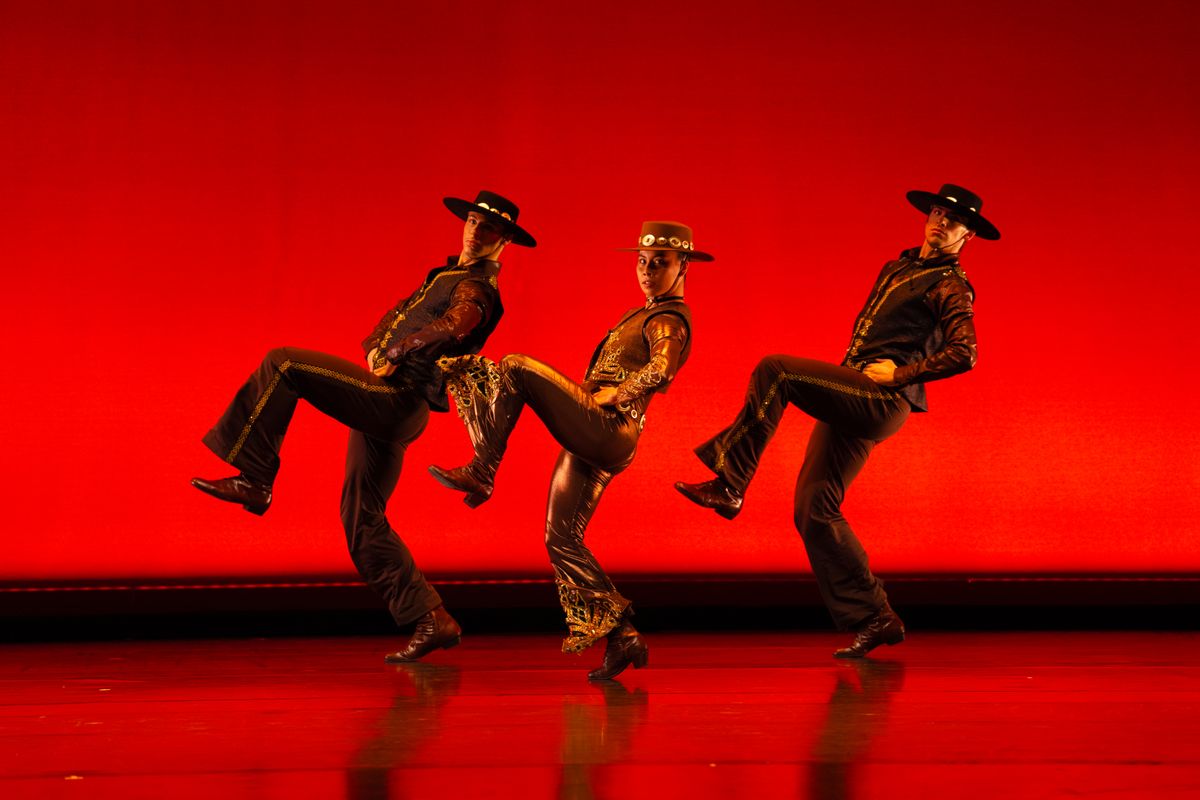
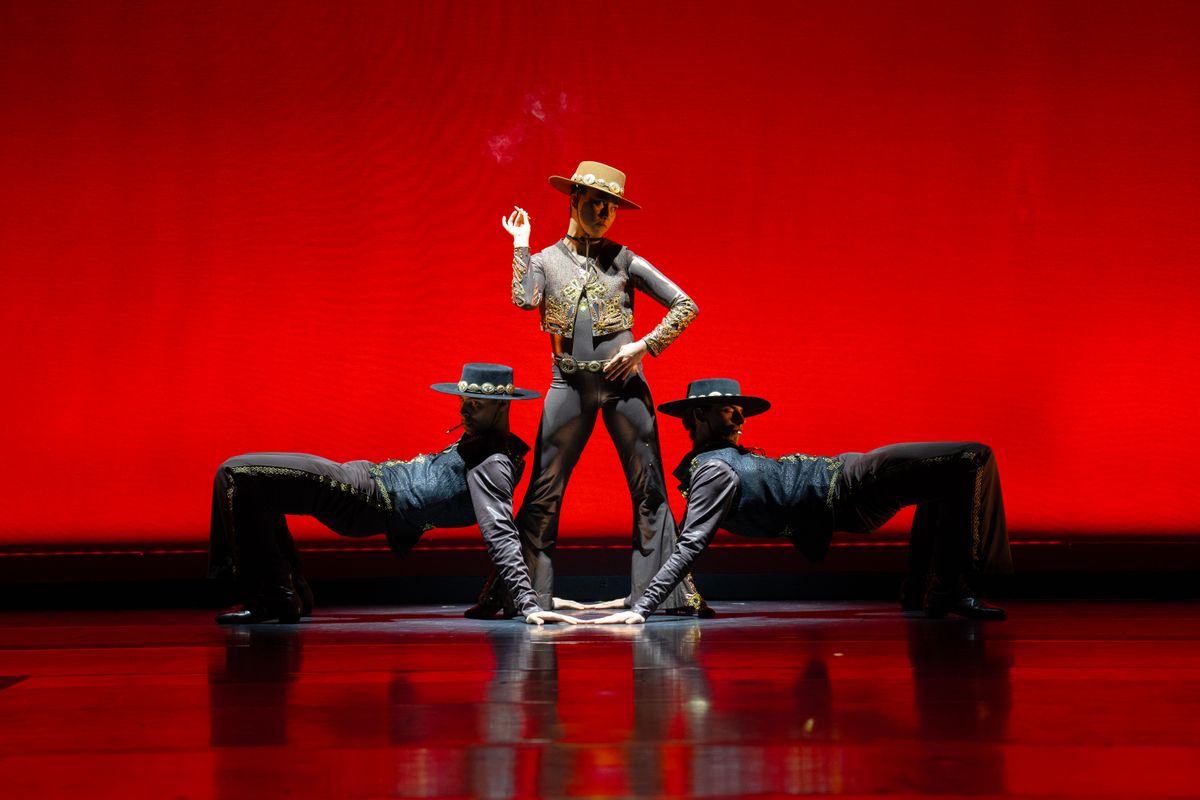
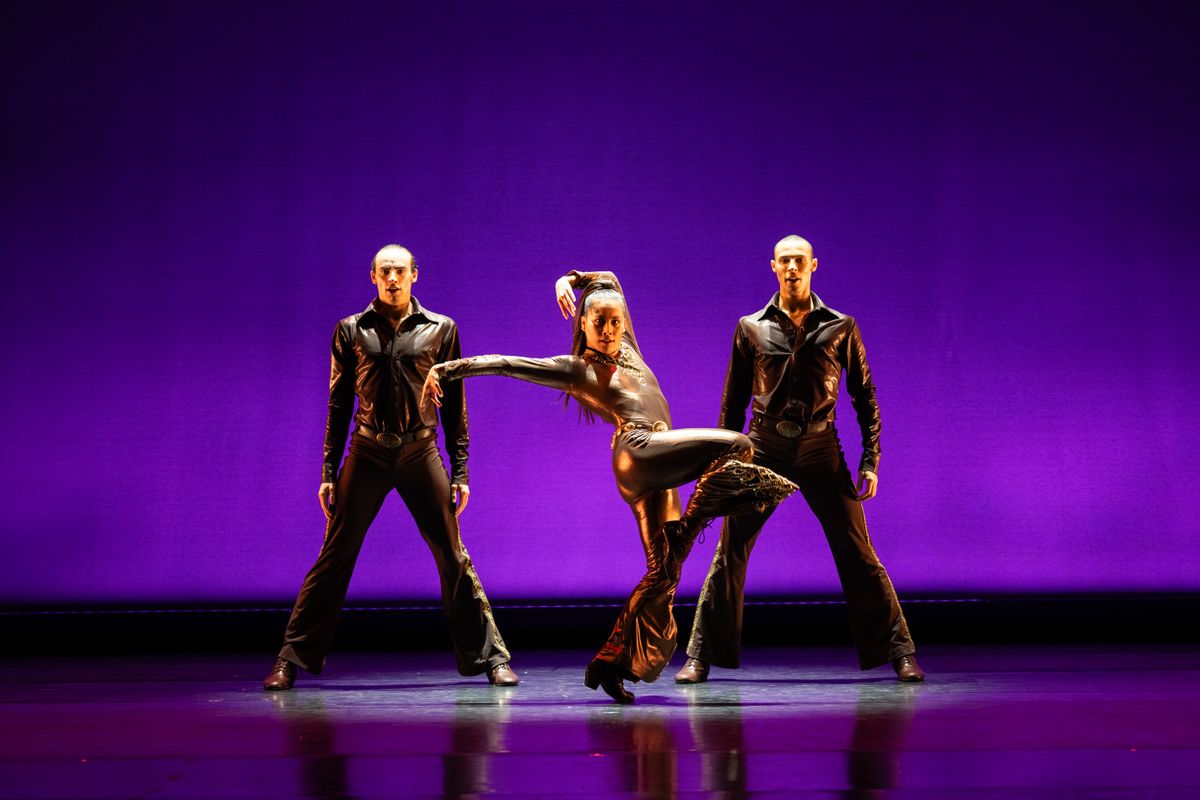
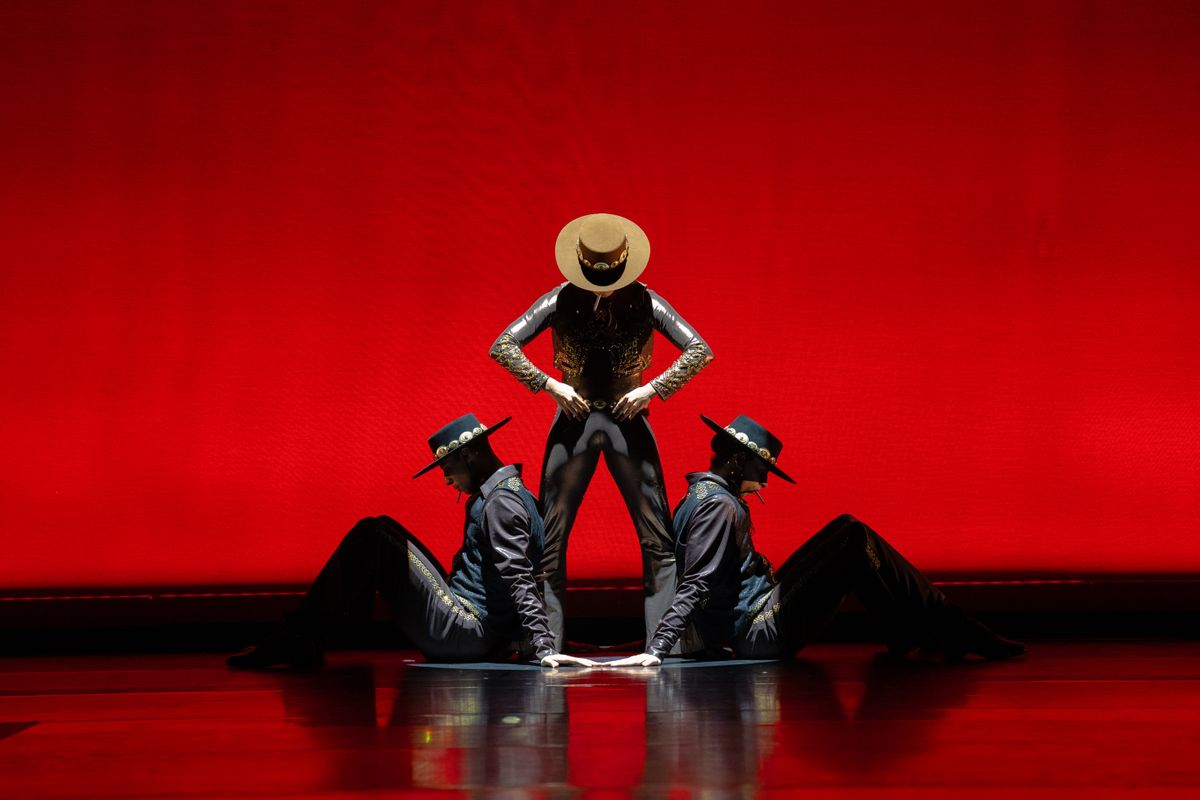
In conversation with the Hubbard Street Dancers
What did you think about the Fosse/Verdon style and choreography before? Has working with Linda Haberman to restage these pieces of the Fosse/Verdon repertoire challenged that? If so, how? If not, what else did you learn after this experience?
[Alexandria Best] A lot of what you think when you hear Fosse is “jazz hands” or “classic jazz”, which is a part of the work, but from being immersed in it over the years and working with Linda Haberman the main things I’ve taken away is the humanistic characteristics and stories that inspire the choreography. Just as important as the choreographic lines, the true embodiment of the character you’re stepping into brings the choreography to life. You can’t have one without the other with Fosse/ Verdon’s choreography… it’s a unique blend of physically challenging movements but also laid back, cool, very humanistic feelings. In turn, I believe this was the hardest concept to attach to and perfect because you really have to step into a different character with each piece, and if that isn’t truly personified, the choreography misses that element that gives it its magic and nuance. Every step that Linda demonstrated, you could see the switch in her demeanor and character, and it brought the choreography to life tenfold. She was diligent in drilling these characteristics of the choreography but also gave space for us to take it on individually so it still felt genuine.
How did working with the Fosse/Verdon choreography challenge you differently than other works?
[Morgan Clune] Fosse/Verson choreography is highly specific, extremely musical, and character driven work. What makes this challenging in a way that’s different from other repertoire I’ve performed is how intentionally narrative each moment is. When working with Linda Haberman, I quickly latched on to her method of speaking an internal or verbal phrase for each movement. For example, in a moment of balancing on one leg while staring deadpan at the audience, in my head I’m saying, “So what?”, placing me simultaneously in the character while also accomplishing the physicality of stillness. I have worked in a narrative way before, but Linda’s way of coaching impacted me on a deeper level. She allowed me to find individuality in a work with total unison among three dancers. Discovering my own voice and exploration within the Fosse/Verdon language is a true gift and an honor that I am grateful to have.
[Alexandria Best] Another unique element of Fosse/ Verdon’s work is that you have to keep it cool. If you overshoot with energy when it’s not called for, the choreography can feel attacked and the demeanor and character gets lost. Finding moments to breathe and lay back into your own human nature were definitely challenging, but also a great reset and new approach to physically demanding work. This idea also helps keep the choreography clean and concise, as that is how many of Fosse/ Verdon’s works are designed. Not leaning into your exhaustion and throwing away movements when you’re physically expelled is a challenge in itself, and also one that is encouraged in other styles of works, so finding the difference here and really honing in on the clarity is uniquely challenging.