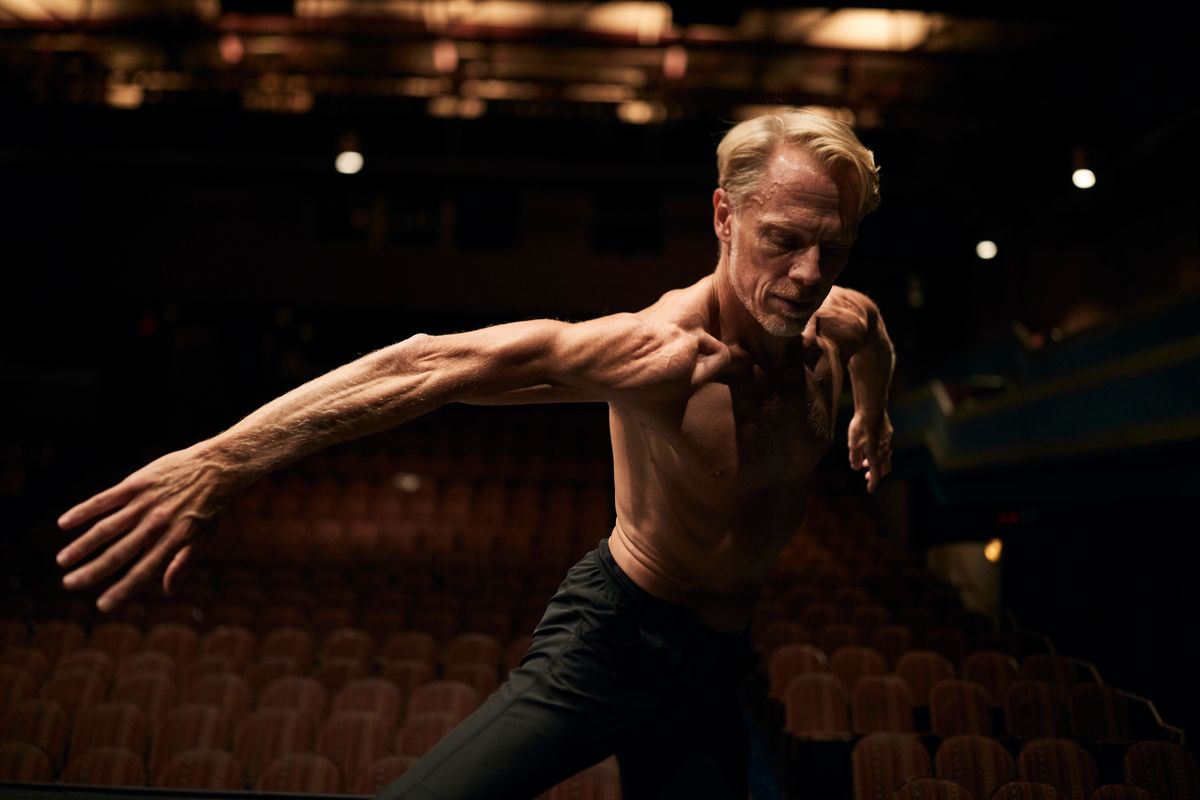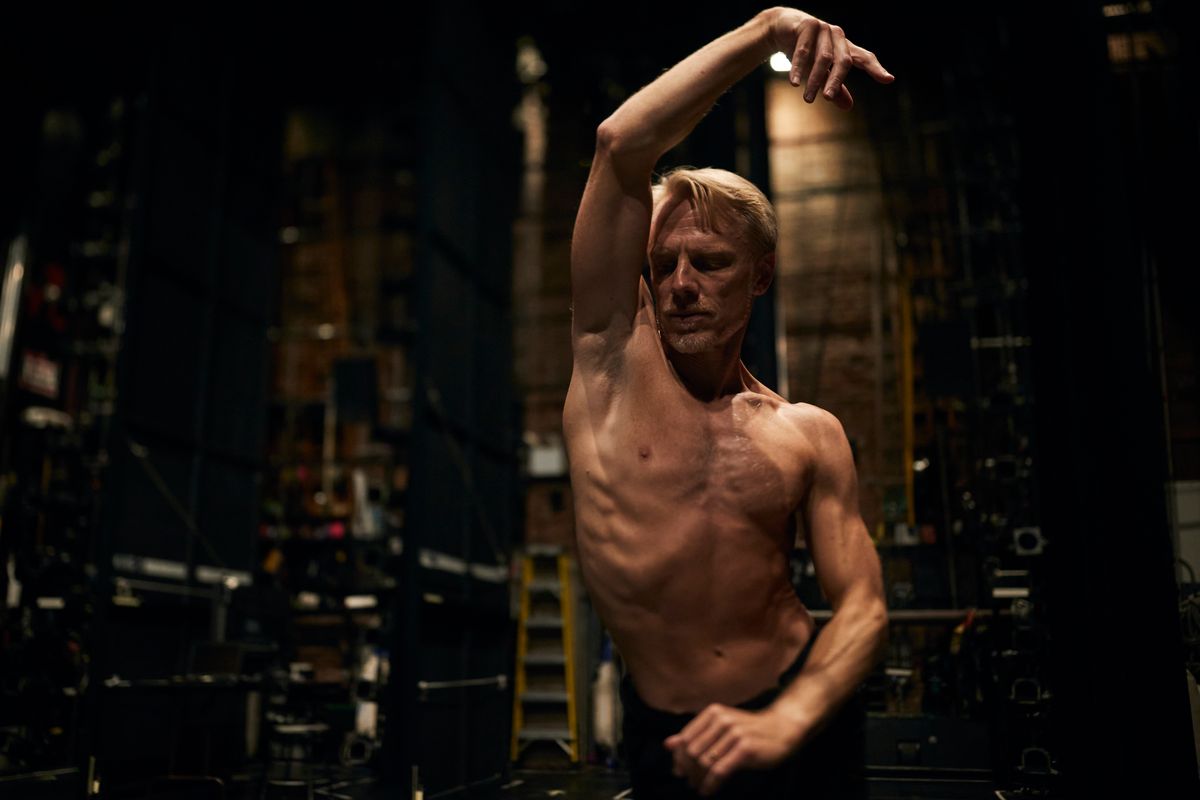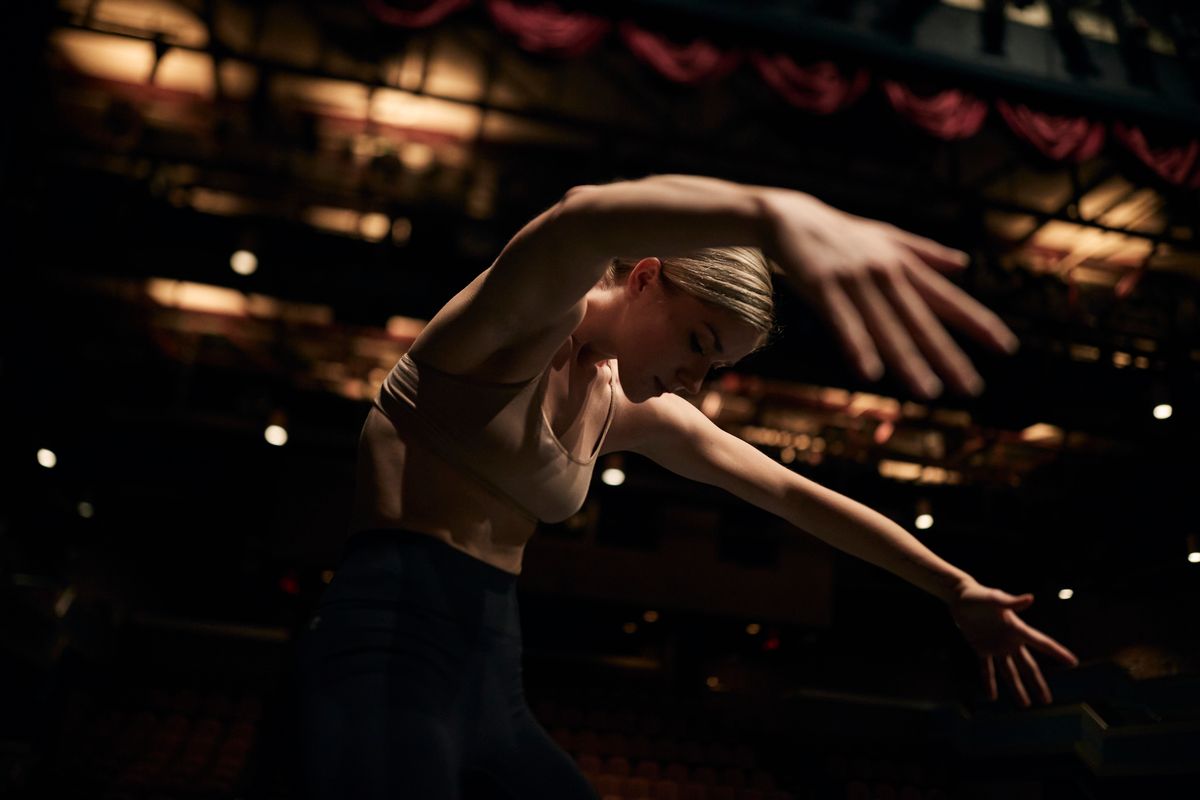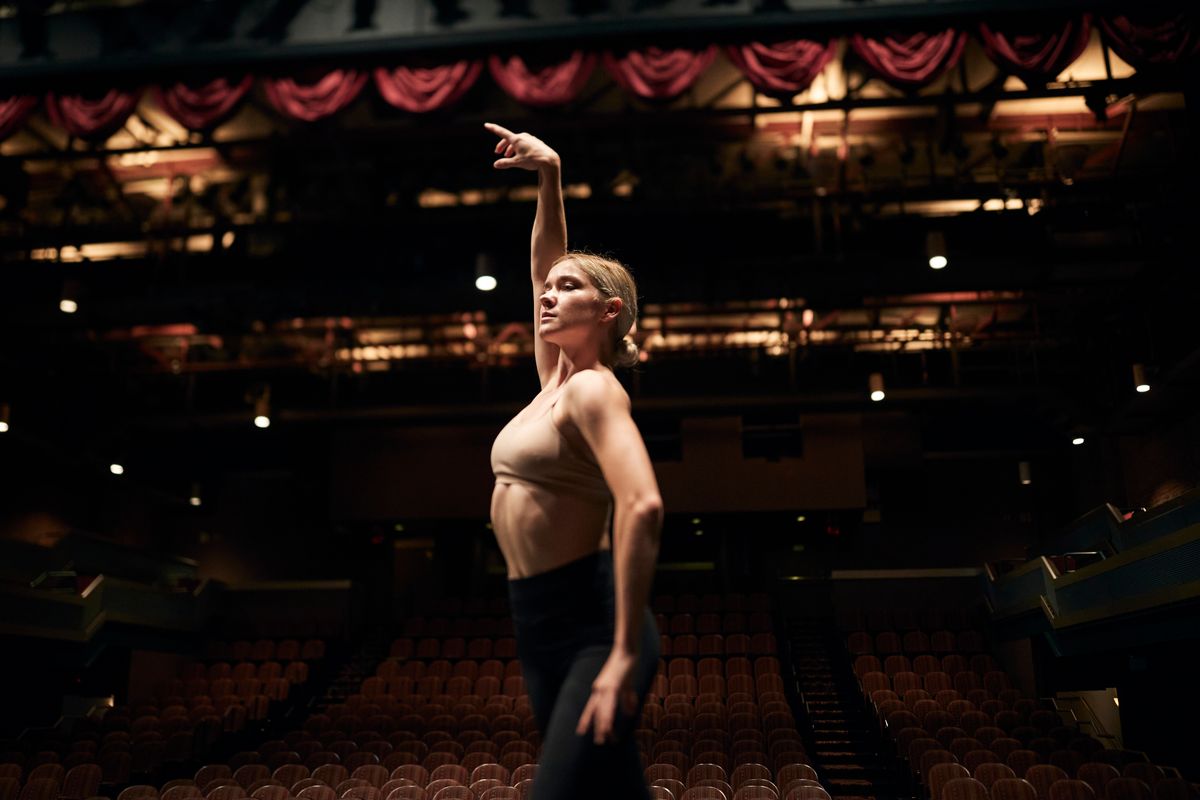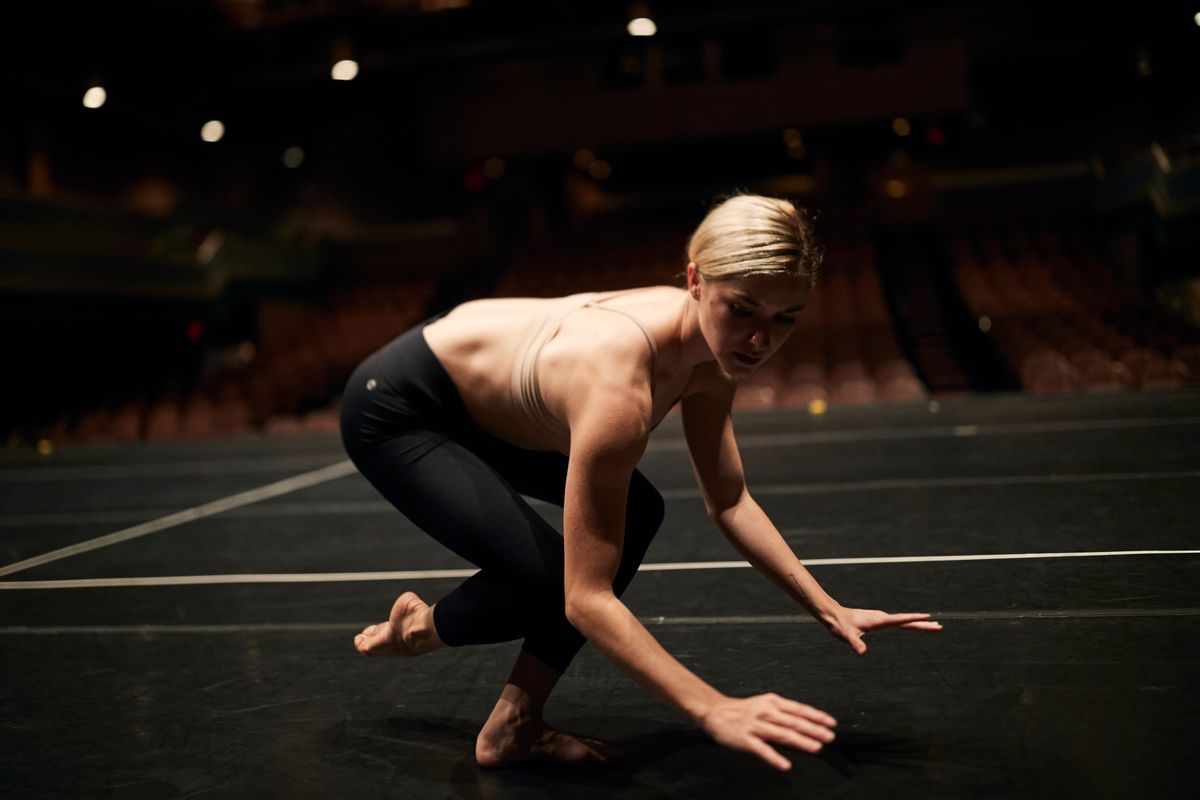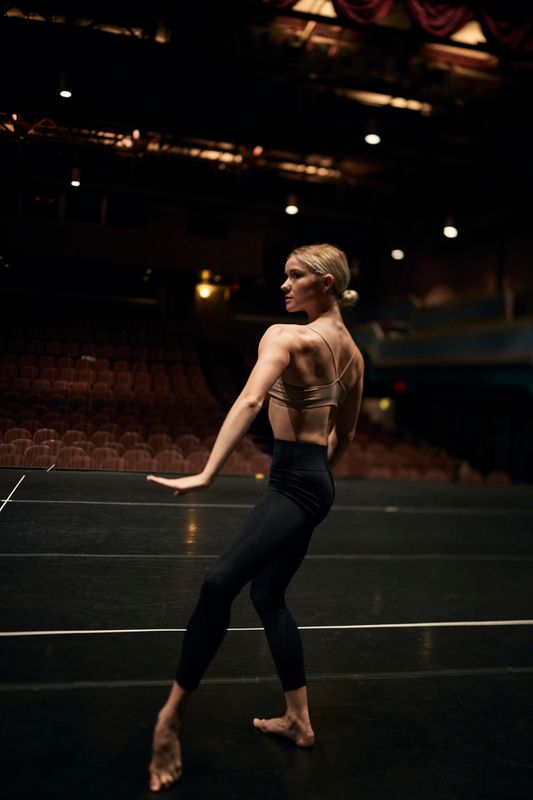


The Joyce is thrilled to present an exclusive one-night-only evening of works by acclaimed choreographer Molissa Fenley, including State of Darkness performed by Cassandra Trenary, and Bardo performed by Michael Trusnovec.
In a rare and compelling pairing, choreographer Molissa Fenley reunites with two artists whose histories are deeply intertwined with her work, now meeting again at defining moments in their careers. For Cassandra Trenary, former Principal Dancer with American Ballet Theatre, this performance marks both a homecoming and a send-off: a return to State of Darkness, which she first performed at The Joyce in 2020 and revisited in 2021, ahead of her appearance in the work at the Venice Biennale Danza 2026 immediately following this engagement. For Michael Trusnovec, former Principal Dancer with the Paul Taylor Dance Company, returning to Fenley’s choreography after his acclaimed Joyce performances, Bardo offers a profound re-engagement with a choreographic voice that has long shaped his artistic life. Together, Fenley, Trenary, and Trusnovec anchor an evening that bridges past and future, legacy and reinvention, in two works that remain as urgent and physically exacting as when they were first created.
About State of Darkness
Originally commissioned by the American Dance Festival in 1988, State of Darkness is one of Fenley’s most iconic works, a relentless 35-minute solo set to Igor Stravinsky’s Le Sacre du Printemps. The work has a significant history at The Joyce, where it was revived in 2020 for a new generation of dancers in the theater’s first live performances from its stage after the March 2020 shutdown, and then returned in 2021 for six live benefit performances welcoming audiences back inside the Chelsea venue. Trenary and Trusnovec were both among the artists selected for those Joyce presentations, each bringing a distinct interpretation to Fenley’s demanding solo.
About Bardo
Created in 1990 as an homage to artist Keith Haring, Bardo returns more than three decades after its premiere, which took place at Haring’s memorial service at the Cathedral of St. John the Divine. The work takes its title from the Tibetan concept describing the liminal state between death and rebirth, unfolding as a meditation on transition, memory, and transformation. Marked by a striking interplay of stillness and motion, Bardo evokes a space continually emptied and refilled, suggesting both absence and renewal.
Fenley’s connection to Haring dates back to their early artistic lives, when the two met in Kutztown, Pennsylvania, and later collaborated on the video work Video Clones in 1978. In Bardo, Fenley honors his legacy while grappling with loss, creating a work that is both personal and expansive in scope.