



Dante Puleio and the Legacy of the Limón Dance Company
This season, the Limón Dance Company is celebrating its 80th anniversary. Stepping into his sixth year as Artistic Director, Dante Puleio reflects on the legacy of the company's founder José Limón and the company's history.
“There is a dance for every single human experience”
– José Limón
This year, Limón Dance Company is celebrating its 80th anniversary celebration. Since its founding in 1946, the Limón Dance Company has shaped and grown American modern dance, earning recognition as one of the world’s greatest dance companies known for its signature Limón Technique.
Dancer and Choreographer José Limón firmly believed in the body’s capacity to express the complexity of the human character. Borrowing from the teachings of his mentors Doris Humphrey and Charles Weidman, Limón’s style, according to the Limón Institute, “emphasizes the natural rhythms of fall and recovery and the interplay between weight and weightlessness to provide dancers with an organic approach to movement that easily adapts to a range of choreographic styles.” Limón also utilized literature and folklore as a means to express his understanding of human nature.
This year’s Joyce program marks Dante Puleio’s sixth season as Artistic Director. In this interview, Puleio reflects on his position, the upcoming program, and how he sees the future of the Limón Dance Company.
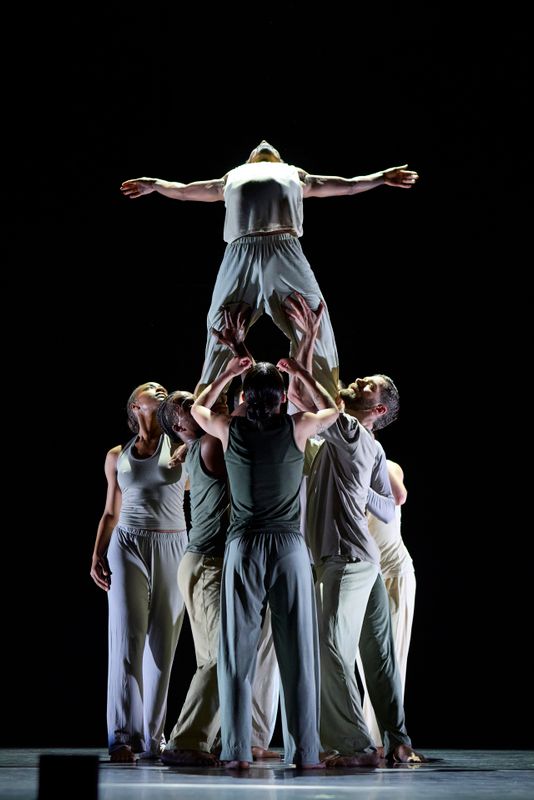
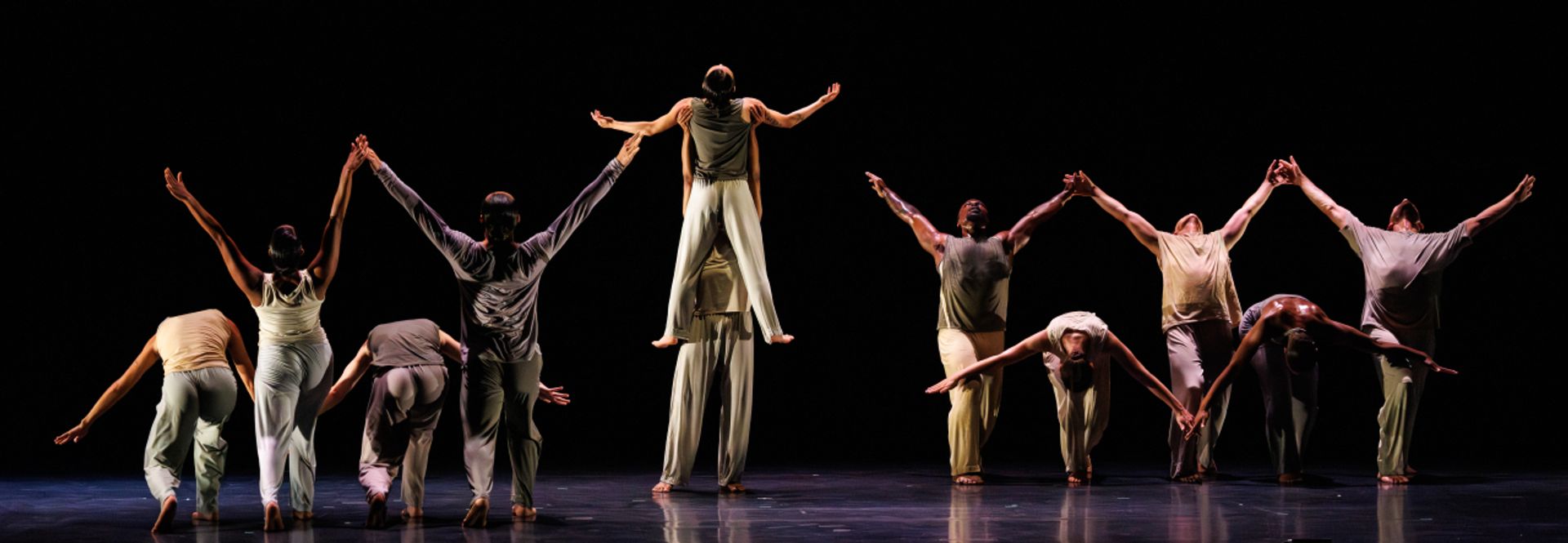
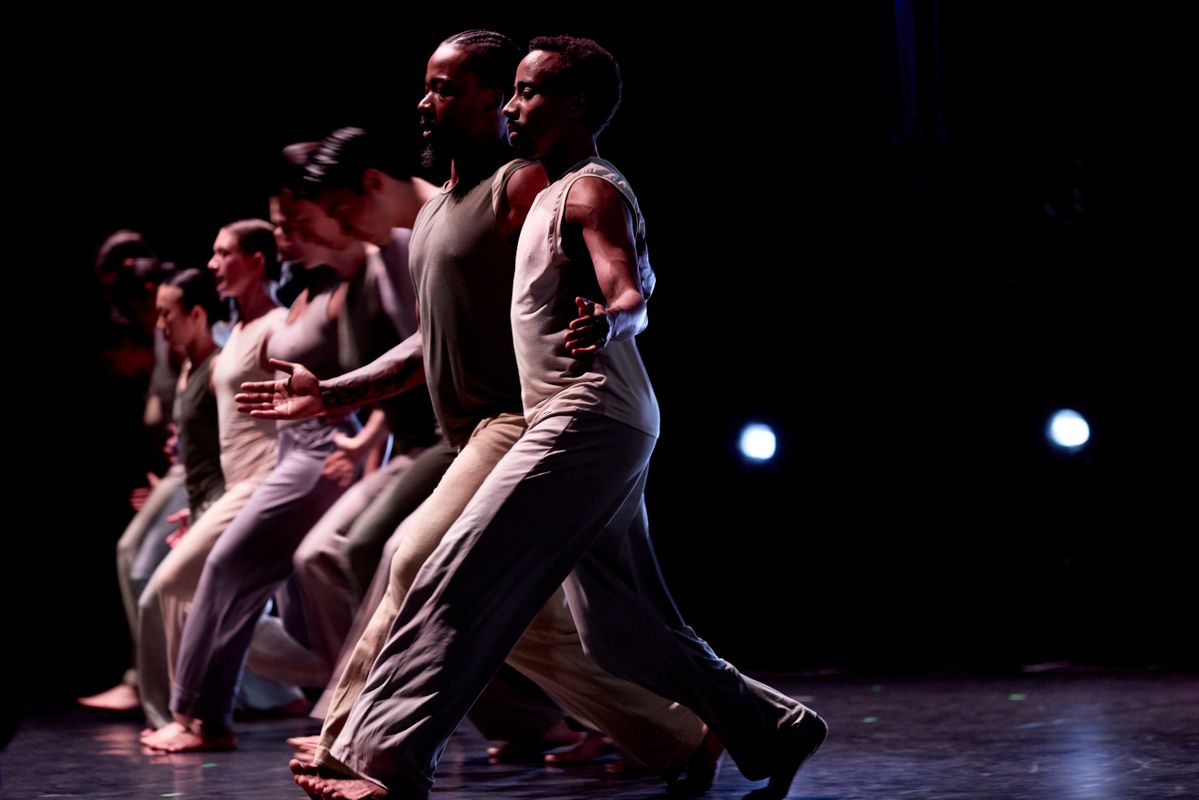
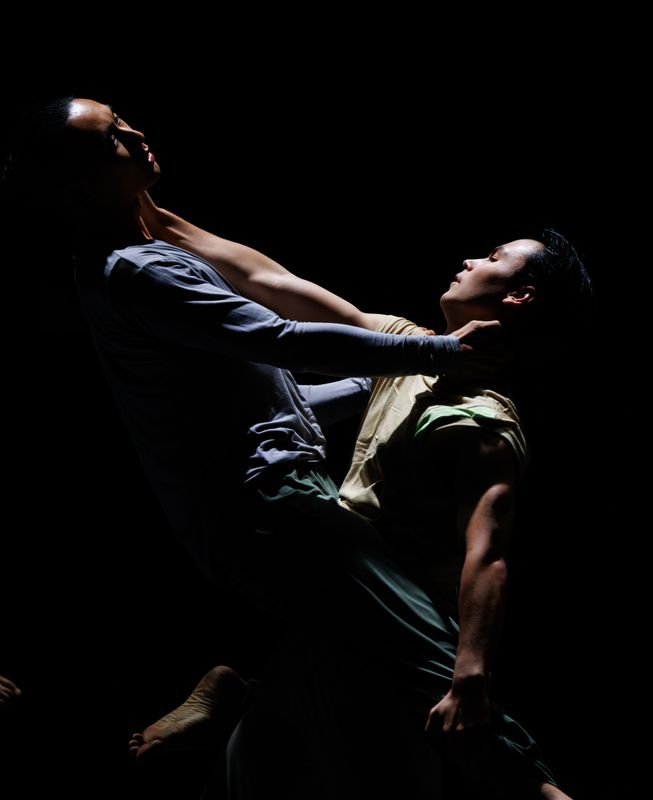
How does your experience as a former dancer in the Limón Dance Company inform how you approach your role as Artistic Director?
Oooo that’s a hard one to answer. Besides Doris Humphrey, the company’s first Artistic Director, all the directors have danced with José or for the Company. I’ve been part of this organization for more than half of my life, so I'm not sure I know how to separate myself any longer. I try to make a conscious effort to include the dancers in the decisions that will impact them, whether that is the commissions we bring in, the Limón / Humphrey rep we do, faculty we chose, and the workshops we hold. I try to make sure they know their voice is heard and shapes the decisions I make. I know what it feels like to be on the other side of an Artistic Director’s decision, so I try to remember that what might feel like a programming decision to me can have a very real impact on a dancer’s life and artistic growth.
Over the last six years, has your understanding of Limón’s legacy and technique and the company itself changed?
It has certainly evolved. I’ve gotten to know José better: his empathy, his hope, his loneliness, his humor. Each time we revisit a work, I see him and the work from a new perspective. I think about what was happening in the world when he was making these works and what is happening now. He gets to continue to speak each time we bring his works to the stage, and the conversation changes based on what else is on stage with him.
As for the technique, the principles remain the same, but the bodies that dance them do not. They continue to grow more refined, and the questions - deeper, which invites us to continue to reexamine how we find ourselves inside the technique.
The Company continues to evolve and expand with each generation. New dancers fill the stage, and add their stories to the lineage with new interpretations, redefining what is possible for the legacy and for its future.
Throughout its history, Limón Dance Company has commissioned new works from outside choreographers, such as Raúl Tamez (2022), Kayla Farrish (2024), Diego Vega Solorza (2025), among others. From your perspective, what do you look for when selecting commissions? Why did you choose Aszure Barton’s Join for this upcoming season, and Akram Khan for 2027?
My commissions have been tied to highlighting aspects of who José Limón was and why he made the works he did. When Roe V Wade was overturned, I was looking at the women who shaped the Limón Legacy: Isadora Duncan, Doris Humphrey, his wife, and his mother. I wanted to pair the works he made for these women with contemporary female choreographers that were also grappling with the human condition in ways that Limón was, as a way to further highlight the importance of the female perspective. Aszure Barton was the final commission in that series. While she was working with the Company, she told me how beautiful they were. She said she wanted to make something beautiful for them. As this is our 80th Anniversary, I can’t think of a better way to celebrate than honor the dancers who are carrying this legacy forward today.
José Limón was the first Cultural Ambassador of the Arts for the United States and was honored with several world tours that brought American Modern Dance around the world. This substantiated his place in the canon and anchored his place in history. His global impact introduced the world to a new art form. When I imagine an artist that has developed deeply personal movement languages rooted in cultural identity that has become globally understood, Akram Khan comes to mind.
Akram is starting a new chapter, having just sunsetted his company, this will be the first new work on an American Company and I can’t think of a better time for our worlds to come together. Akram’s craftsmanship and storytelling are rooted in the power of community and the strength of isolation. His works are interior landscapes brought to life. They say what cannot be said and bring emotions we didn't know we had to the surface, much like the works of Limón and Humphrey.
Last year, you showcased Limón’s The Emperor Jones, a meditation on greed and tyranny, and this year, you’re reviving Mazurkas, inspired by Limón’s experiences during World War II. Both pieces highlight the political landscape at the time in which they were created. How do these pieces reflect the roots of Limón’s work and maybe even contribute to its relevance in today’s world?
I have found that at the root, José wasn’t interested in telling an audience what to think politically. He was interested in what politics and history do to human beings. When he and his company were on tour in 1957, he wrote many letters home - one letter in particular about his dancers- where he speaks about really seeing them, really seeing them for the first time as these incredible artists and describing their many talents. When they returned from tour, he created Mazurkas as a gift to them to highlight their virtuosity. As Aszure gifted today’s Company Join, Limón gifted Mazurkas to his company then. We still call each section by the dancer(s) it was created on.
How do you see the future of Limón Dance Company taking shape? What are you most excited about?
Well now for that- you’ll have to follow along on limon.nyc, sign up for our newsletter and follow us on social ;)
I’m incredibly proud of what we’ve accomplished over the past 6 years — and what this Company has accomplished over the past 80. But honestly, what excites me most and hopefully our audiences, is knowing that I’m just getting started.