


Holding History and Embracing Modernity with Nrityagram's Surupa Sen
The Nrityagram Dance Ensemble is India’s foremost Odissi dance company. In this interview, Nrityagram Artistic Director Surupa Sen discusses the importance of marrying ancient tradition with contemporary practice.
This season, The Nrityagram Dance Ensemble invites audiences on a luminous journey across time with Khaṅkhaṇā—the sound of dancing feet.
Described by the Times Colonist as “uniquely mysterious, eternal, and beautiful,” this evocative program is a tribute to the fertile red earth that nurtures the company’s home—the Nrityagram Dance Village—just outside Bangalore, India. Founded by the visionary Protima Gauri, Nrityagram stands as a cultural landmark rooted in India’s artistic heritage while continually renewing itself in the present, drawing upon a rich and varied legacy of dance, sculpture, music, poetry, and ritual. At its heart is the gurukula way of life, where students and teachers live and learn together in an environment that nurtures discipline, creativity, and reflection. Gauri described the village as, “a community of dancers in a forsaken place amidst nature. A place where nothing exists, except dance. A place where you breathe, eat, sleep, dream, talk, imagine - dance.”
In this interview, former student and current Artistic Director/Choreographer Surupa Sen shares her insights about preserving tradition while evolving in the present.
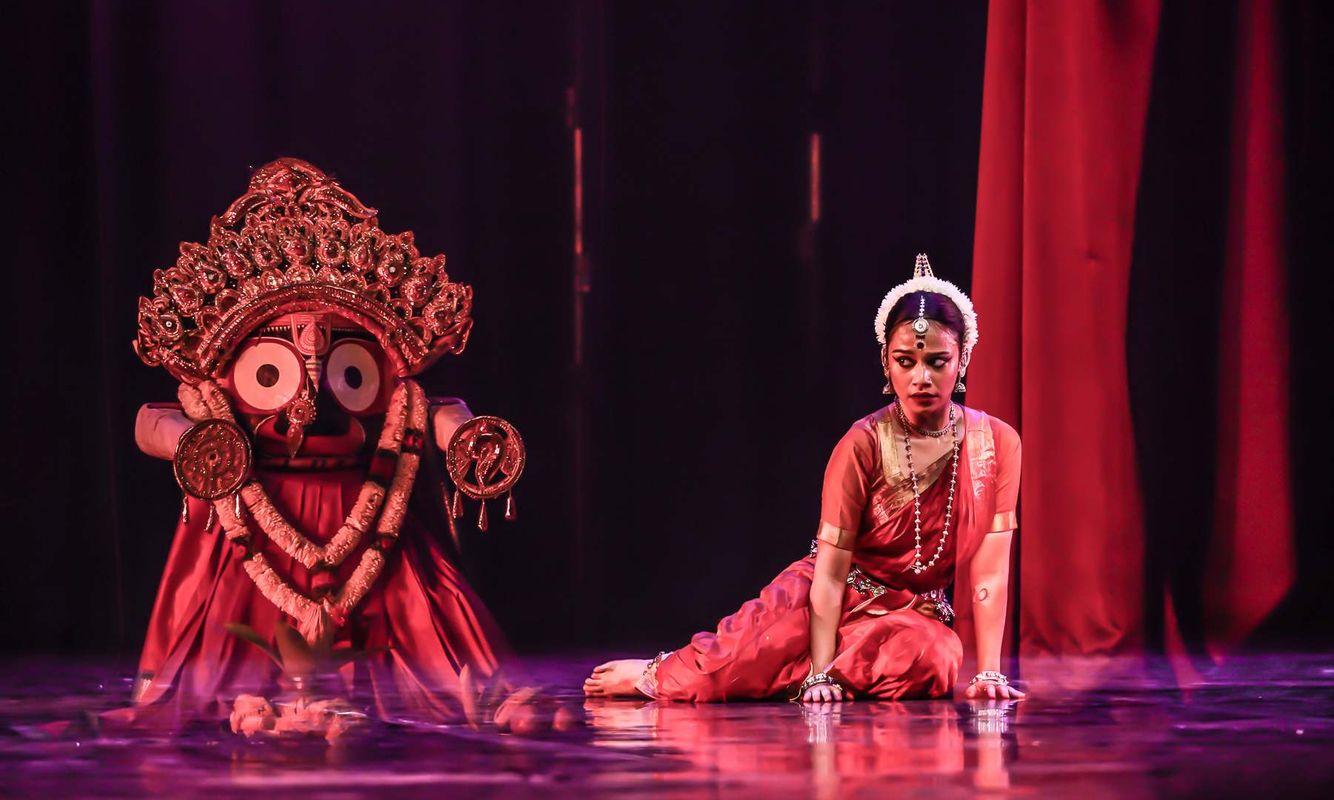
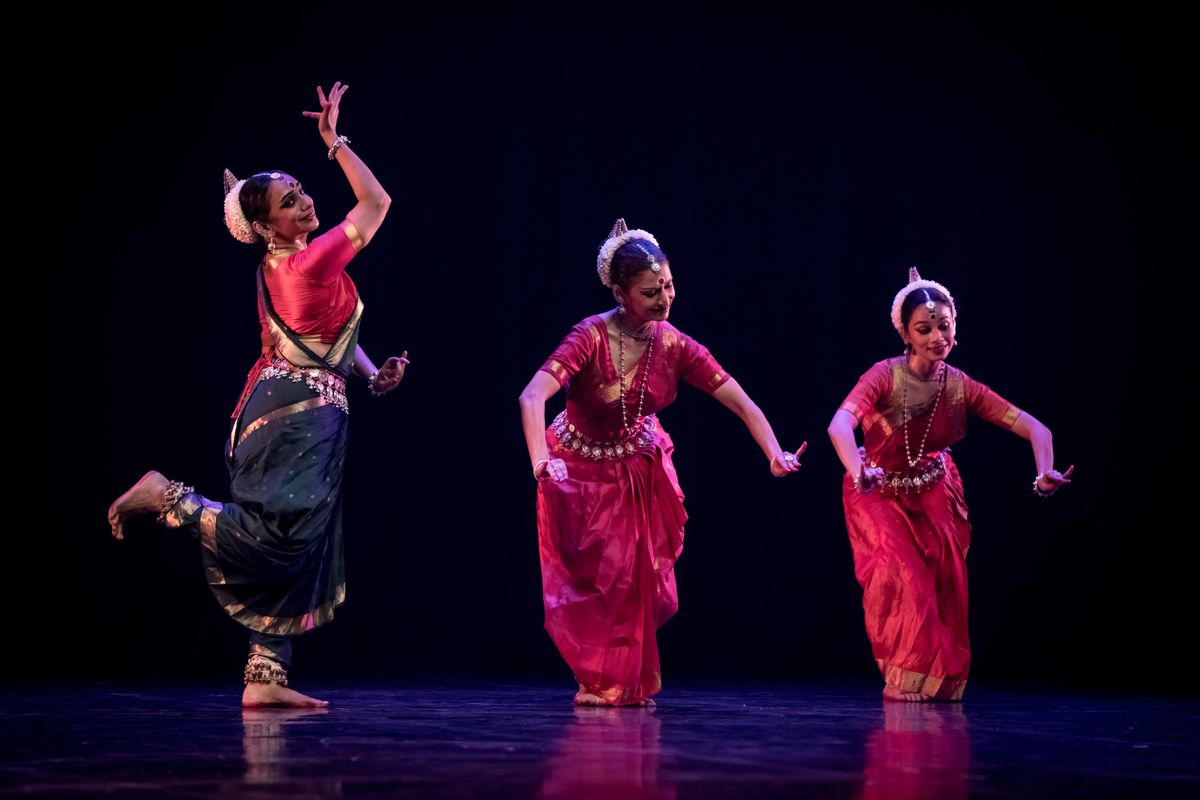
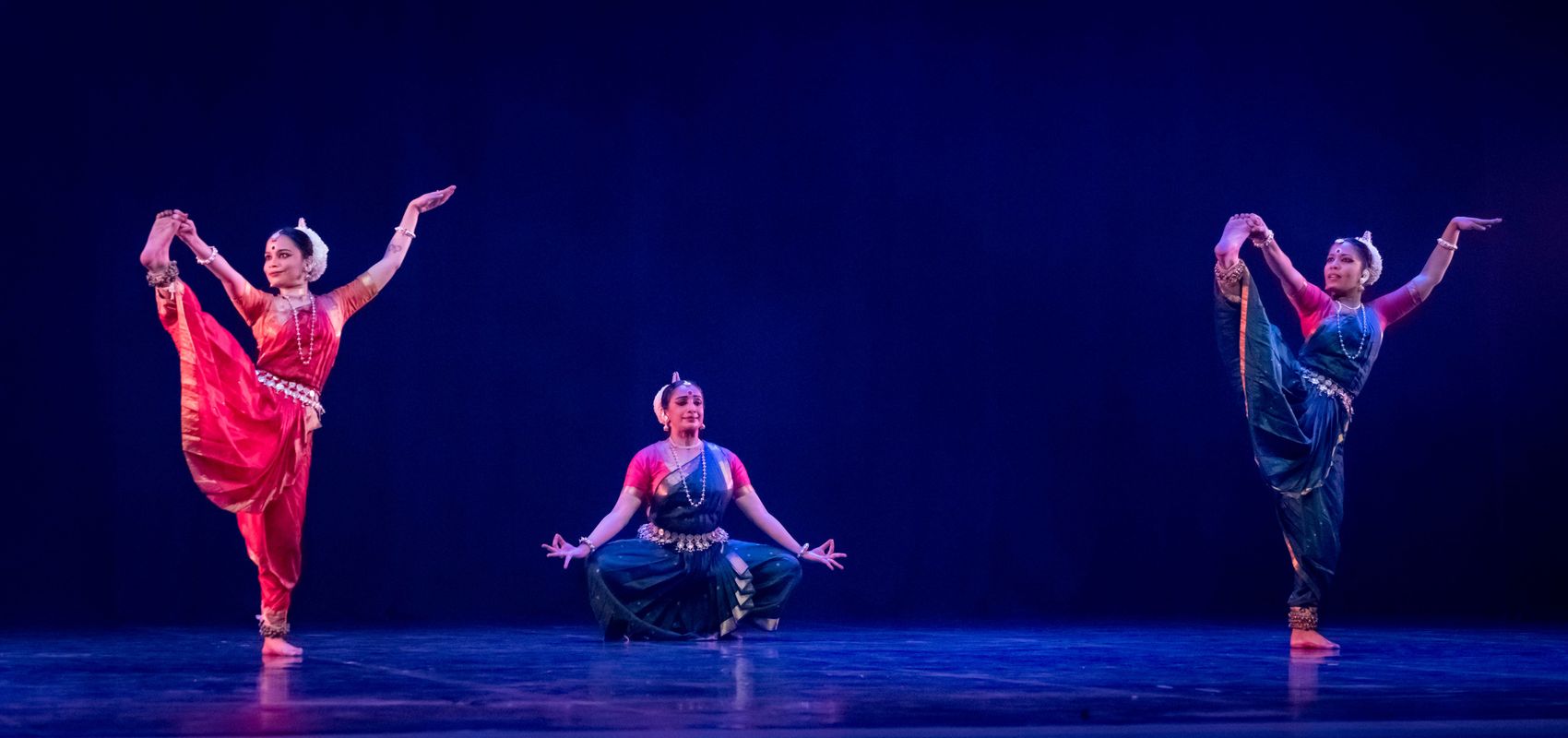
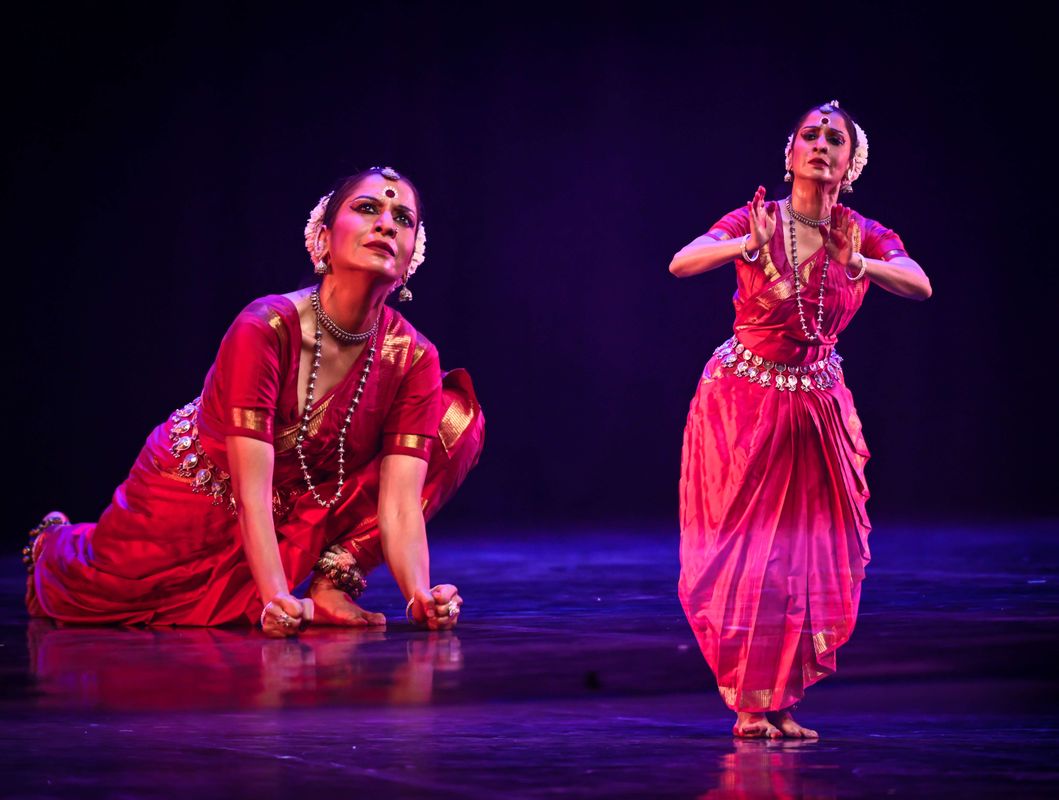
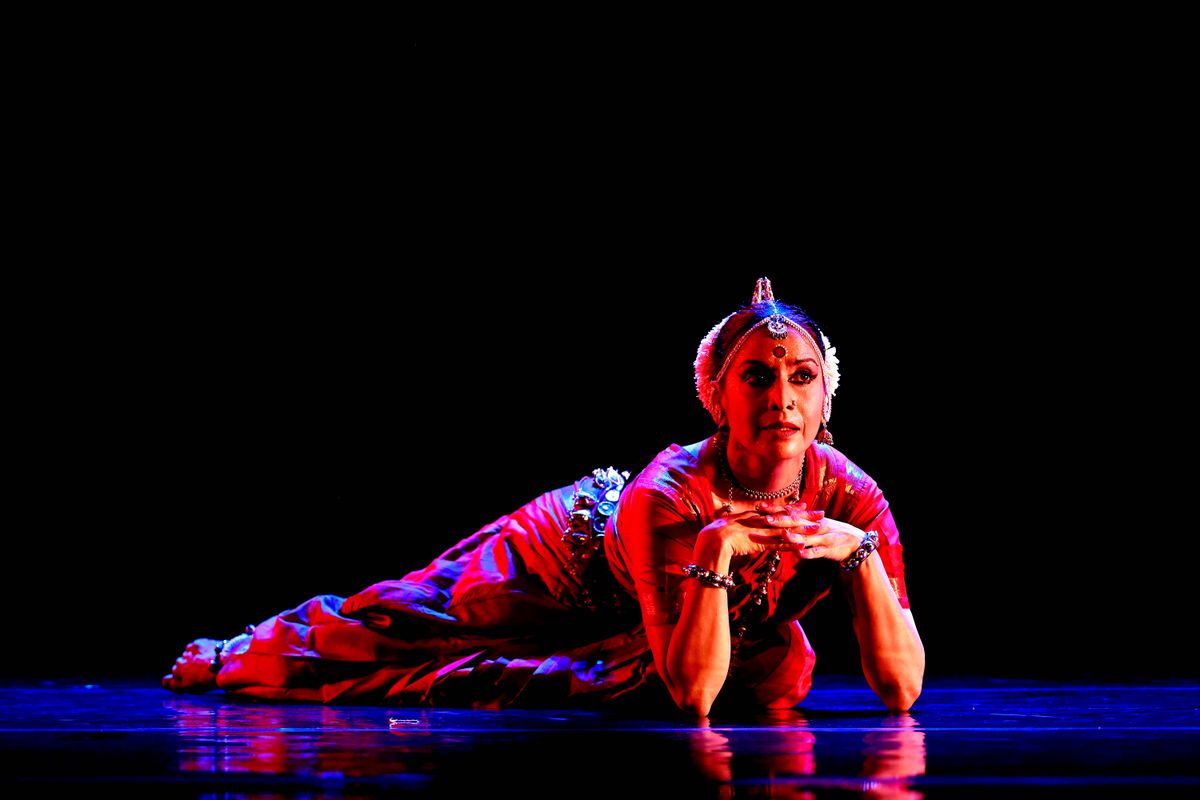
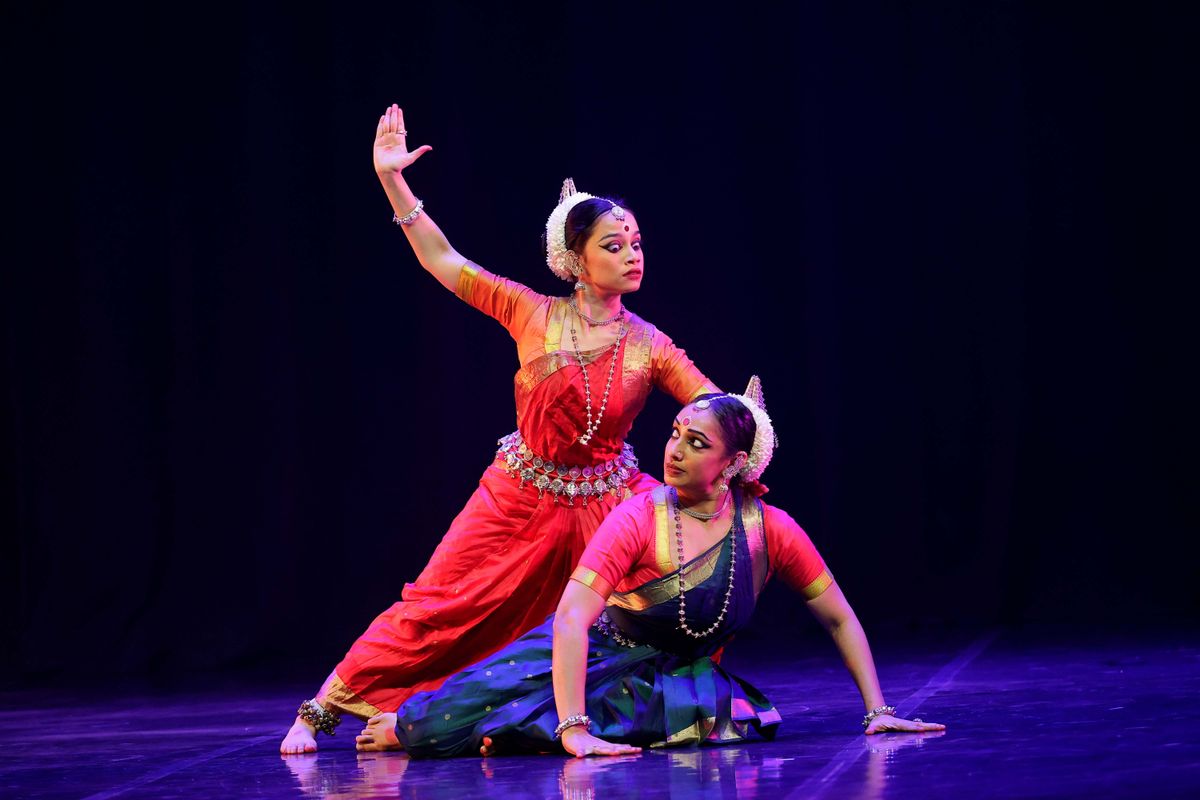
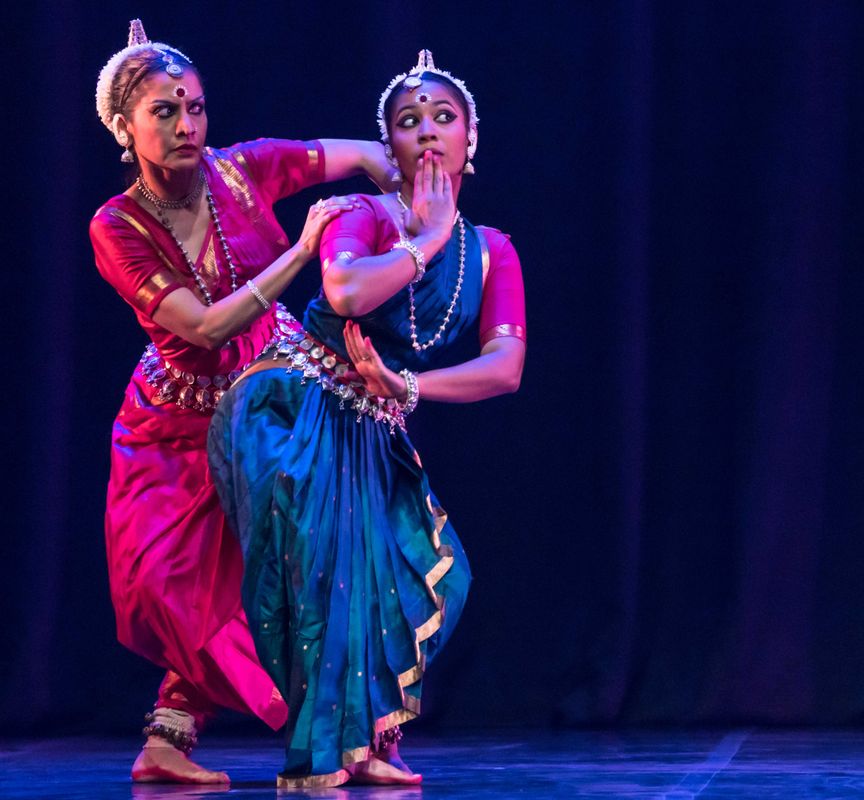
Artifacts discovered on the land of Odisha, including rock paintings and sculptures, showcase a deep connection between dance, music, myth, and devotion. How does Odissi reflect these ancient artistic traditions in the present?
Odissi carries within it a deep relationship between movement, music, poetry, sculpture, and devotion. When we look at the temple sculptures of Odisha, we see bodies caught in moments of movement – the curves, the shifts of weight, the articulation of the hands and torso. These are not simply beautiful forms; they offer us a glimpse into a culture in which dance was part of a larger artistic and spiritual world.
In Odissi, this inheritance lives through the body. The music, the poetry, the rhythms, and the gestures are all interconnected. The Gita Govinda, for instance, gives us a world of extraordinary poetic and emotional depth, which the dancer brings to life through movement and expression.
For me, tradition is something that continues to breathe in the present. We inherit a language, but each generation must discover how to speak it with its own understanding and experience. That is how Odissi remains alive – rooted in its history, while continuing to reveal new possibilities.
The Nrityagram Dance Village is known as India’s renowned Gurukula for Odissi dance. Can you describe the Gurukula educational system and why it’s the right fit for Nrityagram?
The Gurukula is a traditional Indian system of learning in which students live in the home of or in close proximity to their teacher, learning through sustained personal interaction, observation, practice, and shared daily life. Knowledge is transmitted over time, through a relationship between teacher and student that extends beyond formal lessons. The student learns a discipline alongside the values, understanding, and way of life that sustain it.
At Nrityagram, the Gurukula is a way of learning in which dance becomes part of everyday life. Founded by Protima Gauri, the Dance Village was envisioned as a place where dance could be lived and practised with dedication and purpose. Here, learning embraces technique and repertoire, alongside music, rhythm, physical awareness, discipline, and an appreciation of the cultural and philosophical worlds from which Odissi emerges.
The Gurukula gives dancers the time and space to immerse themselves in the art, allowing their knowledge and understanding to grow through practice, observation, and experience. It nurtures accomplished performers and independent, thoughtful artists who can engage meaningfully with their tradition and carry it forward in their own time and in their own way.
How was the Dance Ensemble born from the Nrityagram Dance Village?
The Nrityagram Dance Ensemble grew naturally out of the life of the Dance Village. As the dancers trained and developed together within the Gurukula, there came a point when that shared practice found expression on stage. The Ensemble became a way of taking the work we were doing at Nrityagram into the world.
For me, the Ensemble is an extension of the Gurukula. The depth of training, the shared understanding of rhythm and movement, and the many hours of working together create a particular kind of relationship between dancers. When we perform, we draw on that common foundation, allowing individual artistry to come together in a collective expression.
The Ensemble has also given us the opportunity to explore what Odissi can become when dancers work together over time. It is a space in which tradition is studied with care and brought into dialogue with new choreographic ideas. With each generation, the work evolves, shaped by the dancers who inhabit it and by the artistic questions we continue to ask.
As a choreographer, how do you hold onto tradition while creating contemporary work? To you, what is the importance of maintaining the legacy of Odisha in your work?
For me, tradition and contemporary creation are part of the same continuum. The more I understand Odissi – its movement vocabulary, music, poetry, rhythm, and aesthetic principles – the more possibilities I discover within it. A strong foundation gives me the freedom to explore, question, and create.
I am not interested in using tradition simply as a visual reference. I want to understand its internal logic: how the body moves, how rhythm is organised, how music and movement speak to one another, and how emotion is expressed. That understanding becomes the ground from which new work can emerge. The form may evolve, but the work must grow from a genuine engagement with its source.
Odisha is central to this relationship. Its artistic and cultural heritage gives Odissi its particular identity, depth, and sensibility. I feel a responsibility to engage with that inheritance thoughtfully, to understand what I have received, and to carry it forward with integrity. At the same time, every generation must find its own voice. My work lives in that space – between a deep respect for what has come before and the possibility of discovering something new.