



Jakari Sherman and the Work of Jacob Lawrence
Director Jakari Sherman details his relationship to the iconic painter as well as the process of translating the visual art for the stage.
When Step Afrika! opens at the Joyce Theater this week, it will mark the first time stepping has been the primary dance form on the historic stage. To celebrate this historic debut, Step Afrika! is bringing their signature work, The Migration: Reflections on Jacob Lawrence, based on Lawrence’s iconic painting series that charts the story of African Americans moving from the South to the North in the early 1900s. Each piece uses the images, color palette, and motifs in the painting series to tell this astonishing story through pulsating rhythms and visually stunning movement.
“To me, migration means movement. There was conflict and struggle. But out of the struggle came a kind of power and even beauty. “And the migrants kept coming” is a refrain of triumph over adversity. If it rings true for you today, then it must still strike a chord in our American experience.”
- Jacob Lawrence in Creating Conversations, The Phillips Collection.
Jacob Lawrence is a 20th-century American painter whose works portray scenes of Black life and history with vivid stylized realism. A grant from the Julius Rosenwald Fund gave Lawrence the time and space to embark on the herculean task of chronicling the most influential movements in American history: the Great Migration. Through 60 panels, Lawrence’s “Migration” series depicts the migration of African Americans from the rural South to the urban North during and after World War I, portraying the story of people seeking a better life. Each panel is accompanied by captions that combine history, sociology, and poetry in a visual narrative. The series was shown at the Downtown Gallery in New York City in 1941, garnering the attention of the Phillips Collection in D.C. and the Museum of Modern Art where the series still hangs. Lawrence became the first African American artist represented in MoMA’s collection.
Step Afrika! Founder and Executive Producer C. Brian Williams had the idea to create a dance piece honoring the work of Jacob Lawrence, and with collaboration from the Phillips Collection, The Migration: Reflections on Jacob Lawrence was born.
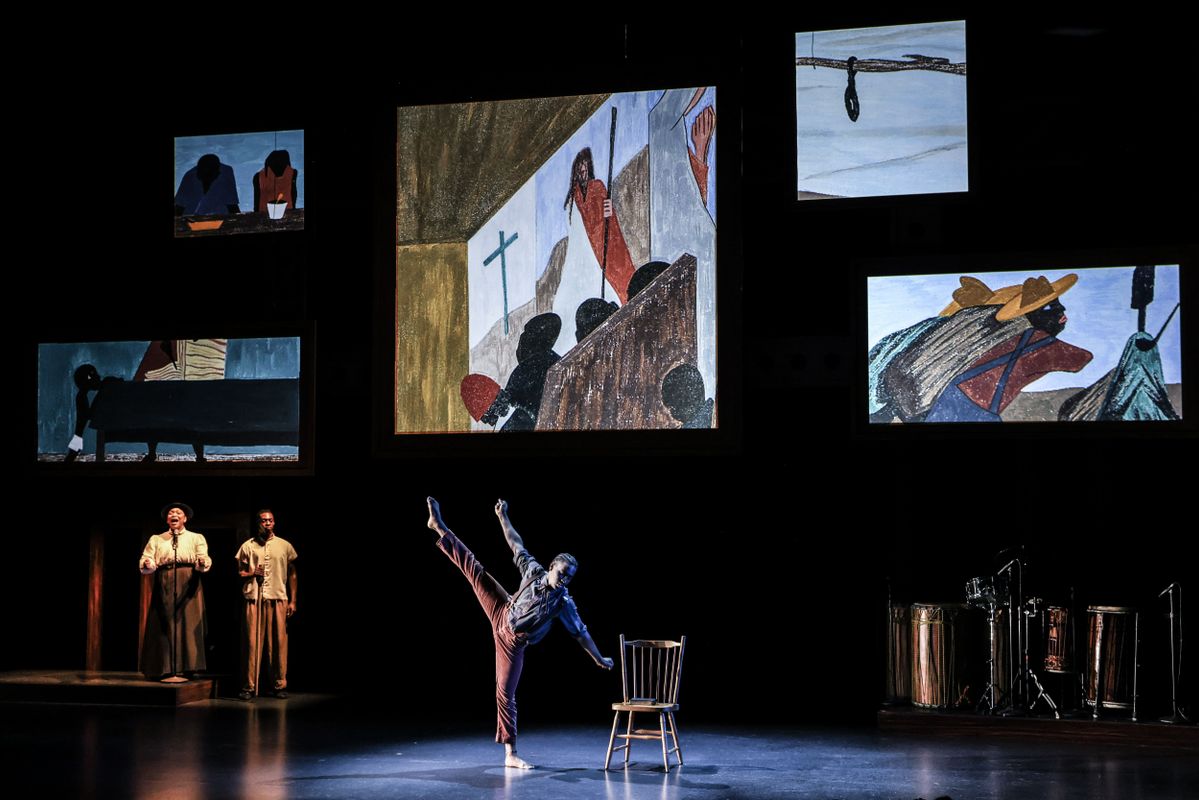
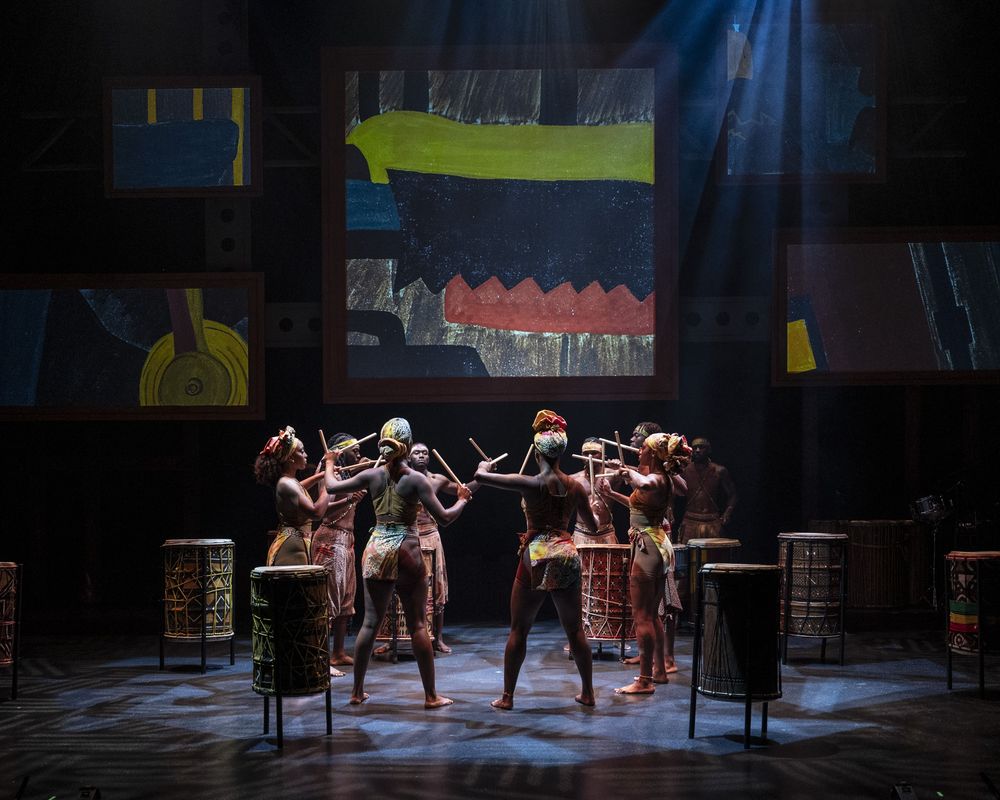
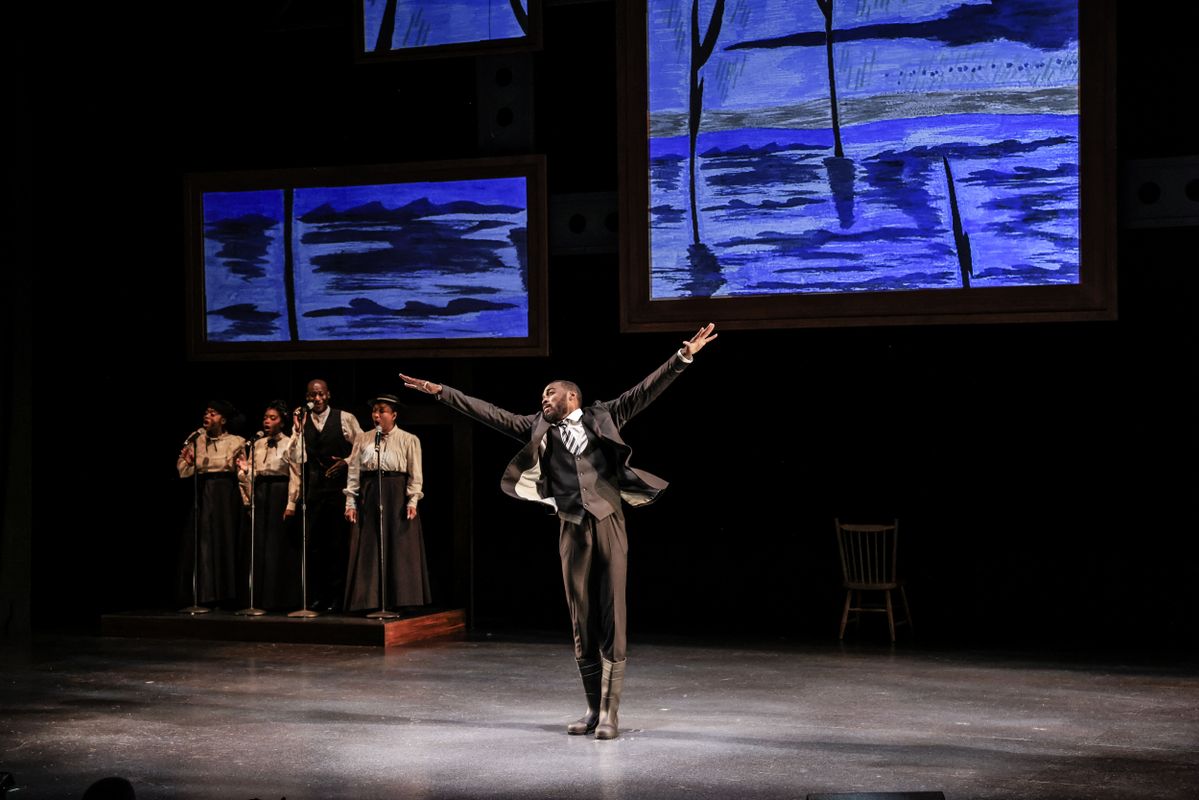
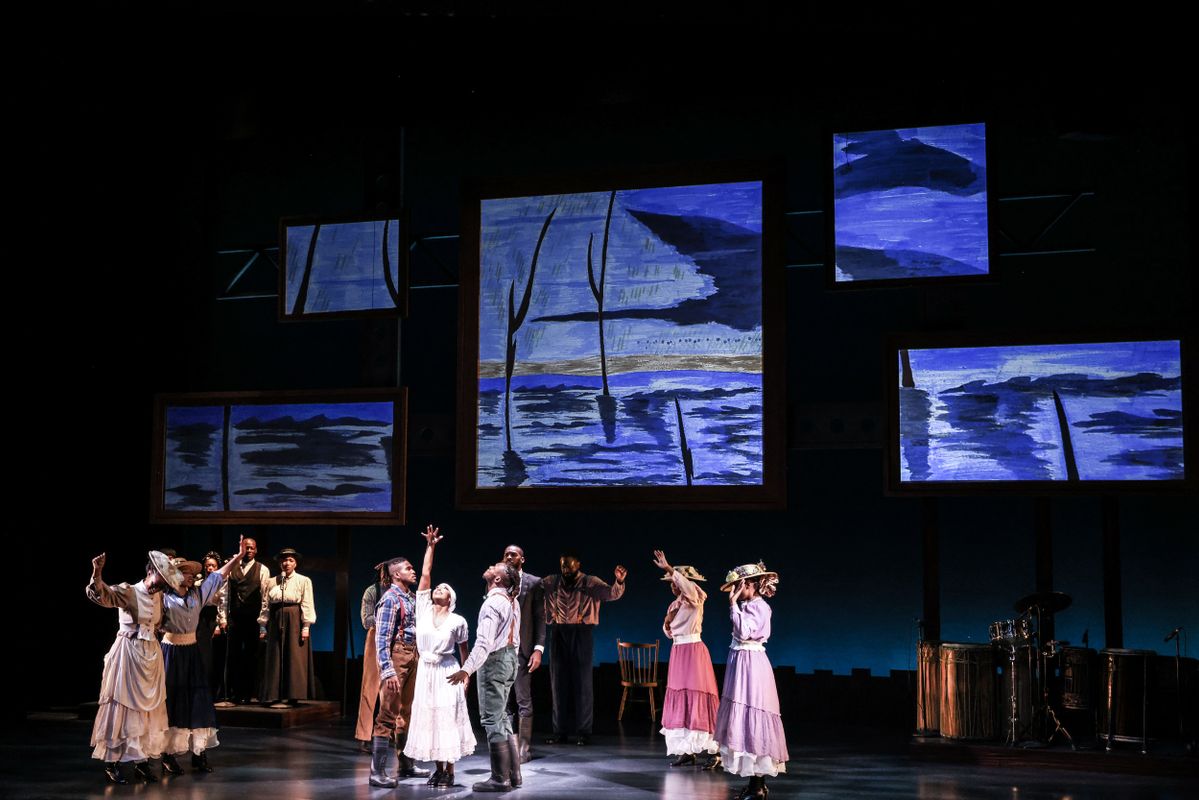
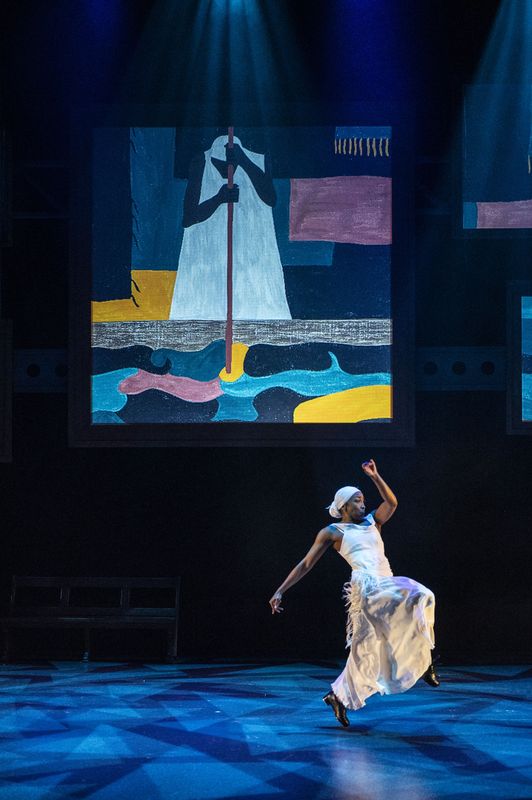
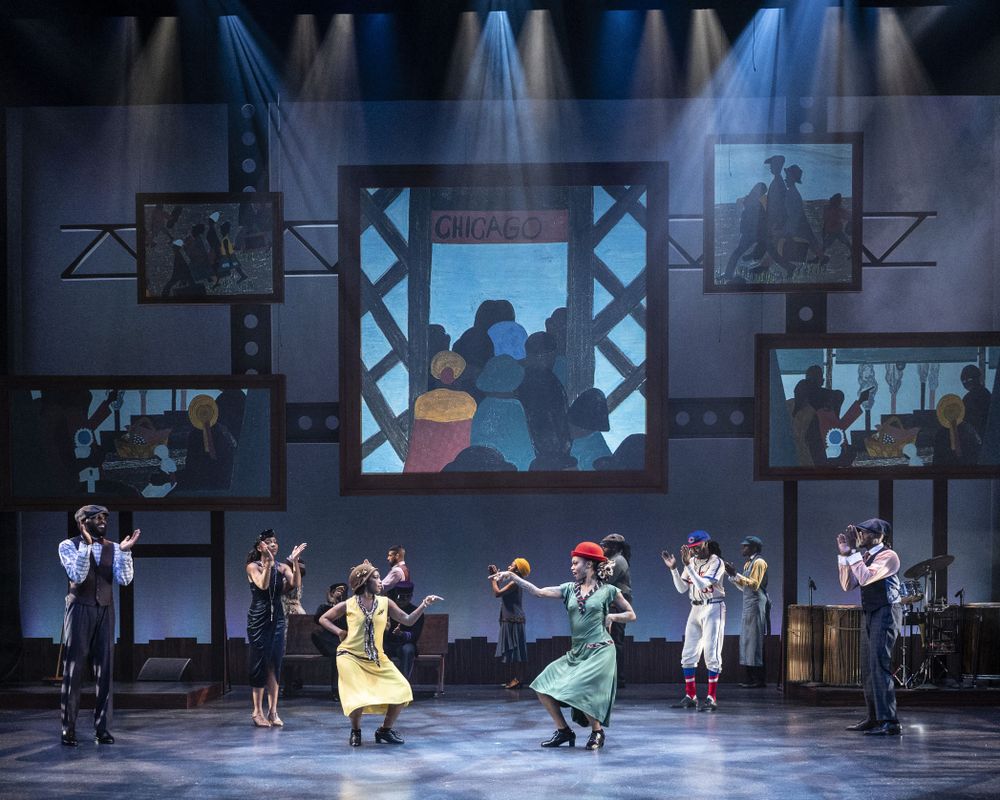
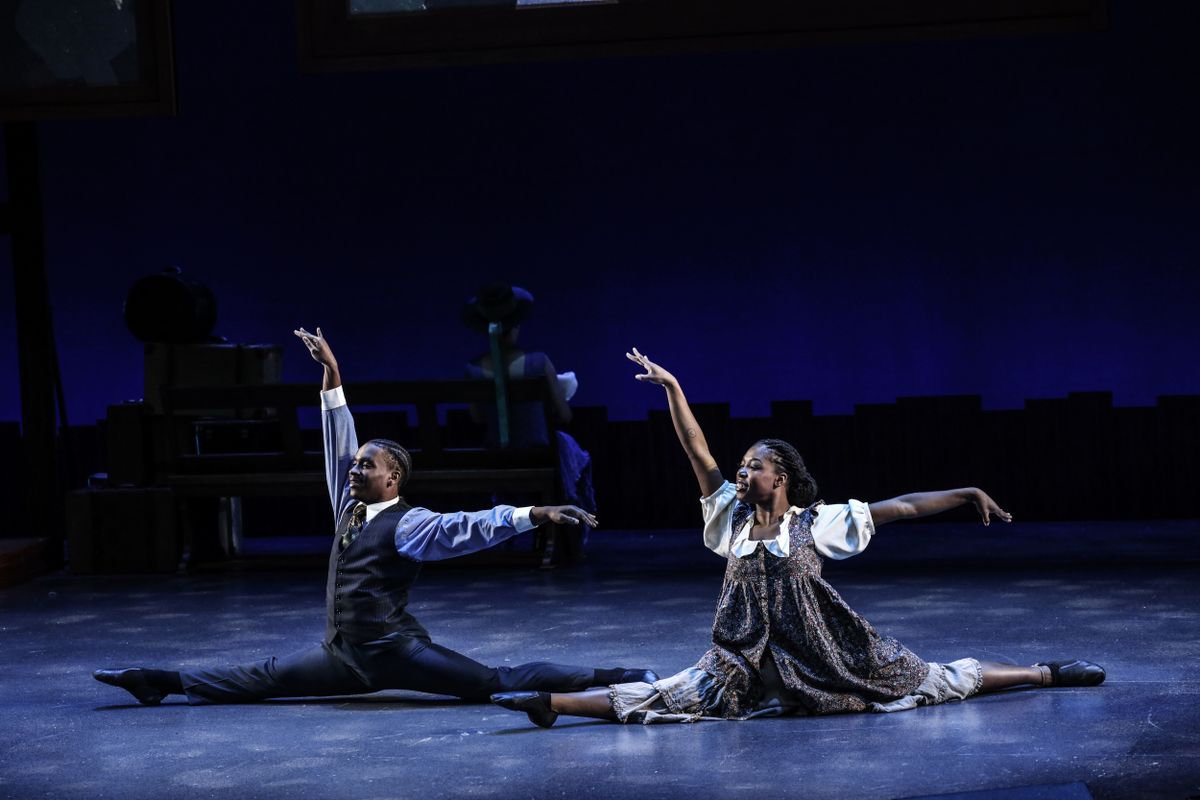
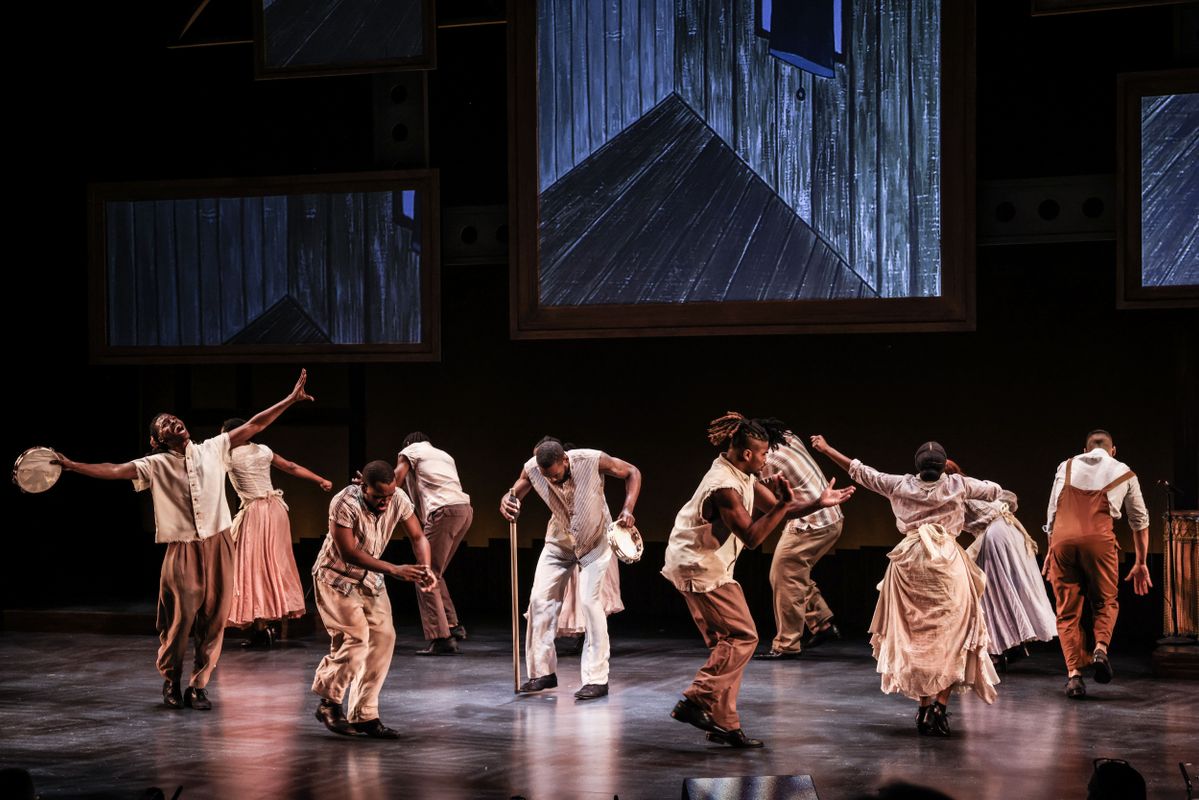
In this interview, Director Jakari Sherman shares his insights into translating Lawrence’s masterpiece for the stage.
When did you first encounter Jacob Lawrence’s art? Can you describe how the art made you feel?
Before this project I was distantly familiar with Lawrence's work, and The Migration production brought the artist and his paintings, specifically the Migration Series, into a closer and more focused view. Early on, I enjoyed Lawrence's motifs of shape and color - the work was satisfying. It felt grounding and peaceful. The consistent engagement with the imagery over months of developing the production, however, brought me into an evolving relationship with the characters who live in the world of the paintings. I feel kinship with the travelers carrying suitcases while blackbirds fly overhead. I feel curious and protective over the woman waiting alone for her train to arrive. I feel worry and sadness for the people living in a community being bombed and burned. It is a blessed privilege to tell the story of Migration alongside Lawrence's characters and to bring their stories to life through movement and rhythm.
In “The Story of Step Afrika!” C. Brian Williams said that the two of you spoke about how your work already resonated with Jacob Lawrence’s images? How so?
Two works, Drumfolk and Wade, were part of Step Afrika!'s repertoire for some time, driven by an exploration of the South African gumboot dance and early African American percussive traditions. These works, rooted in folk and spiritual practices, were an apt representation of the American South. Trane and Chicago had been developed in response to original jazz composition and the cadences of city life, and together, narrated a slice of urban living. These four works came to anchor the journey we follow and that Lawrence depicts in his series. Images of wooden floors invoked the sounds of stomping feet. Lawrence's trains spoke to us who know the "train" as a familiar stepping motif. These and much of Lawrence's imagery called out to us, just asking to be in dialogue with the themes and traditions we knew so intimately through the culture of stepping and its historical connections.
Can you describe the process of translating visual art into movement? How do they complement each other? What are the challenges?
Qualities like balance and repetition are common within any compositional form, whether visual or movement-based. So, in one sense it is very easy to think of the stage as a canvas, within which we paint with our bodies. A great deal of credit must be given to the costume and scenic designers whose use of color and shape is immensely helpful in facilitating this connection with Lawrence's paintings. The greatest challenge, however, particularly in the use of stepping, is the introduction of sound. This adds a layer of compositional complexity not present in most other movement practices, wherein what we see and what we hear, as well as the relationship between bodies must all complement one another. Added to the considerations of Lawrence's artistic voice, there is a complex and beautiful creative landscape to navigate.
In “The Story of Step Afrika!” you spoke about the importance of getting to connect with audiences. Can you describe your favorite audience experience?
The most special experience continues to be the audience participation within the show. It's such a rich communal experience to sit with strangers - to sing together, even if a little off key; to clap together, even if a little off beat :)
Describe the significance of The Migration being Step Afrika!’s debut at The Joyce. How does this piece represent the mission of Step Afrika! ?
The Migration is Step Afrika!'s first and most celebrated narrative work and it represents a beautiful cross section of the company's artistry - from drumming, to west and southern African dance, to traditional and contemporary stepping forms. In this way, The Migration equally captures The Joyce's mission to celebrate dance in its rich diversity.
Is there anything you want to say to Joyce audience members who may be encountering stepping and Step Afrika! for the first time?
Stepping is, at its core, a form intended to promote and strengthen community. Audiences should expect and enjoy the chance to participate in the show by engaging their minds, voices and bodies in concert with the dancers and art on stage. Step Afrika! performers are among the most well-trained steppers in the world, and a significant part of that training focuses on embodying the hallmark energy of the stepping culture to share with new communities.